


Developers Are Using AI to Remove Ads From Smart TVs: What It Means for Viewers
Smart TVs have transformed the way people watch entertainment, bringing streaming services, online videos, and internet-connected apps directly into the living room. However, advertisements and tracking features can make the experience less enjoyable for some viewers.
Now, developers are exploring AI-powered tools that can help remove advertising interruptions and unwanted clutter from smart TV interfaces. These solutions are attracting attention from users who want a cleaner viewing experience without constant promotions or unnecessary tracking.
Tools such as Dumbtv and Cleanyourtv are part of this emerging trend, targeting Android-based televisions and attempting to give users more control over what appears on their screens.
Why Are Developers Targeting Smart TV Ads?
Advertising has become an important part of the smart TV ecosystem. Manufacturers and streaming platforms can generate revenue through promotional content, sponsored recommendations, and advertising-supported services.
For viewers, however, these features can sometimes make a television feel more like an advertising platform than a simple entertainment device.
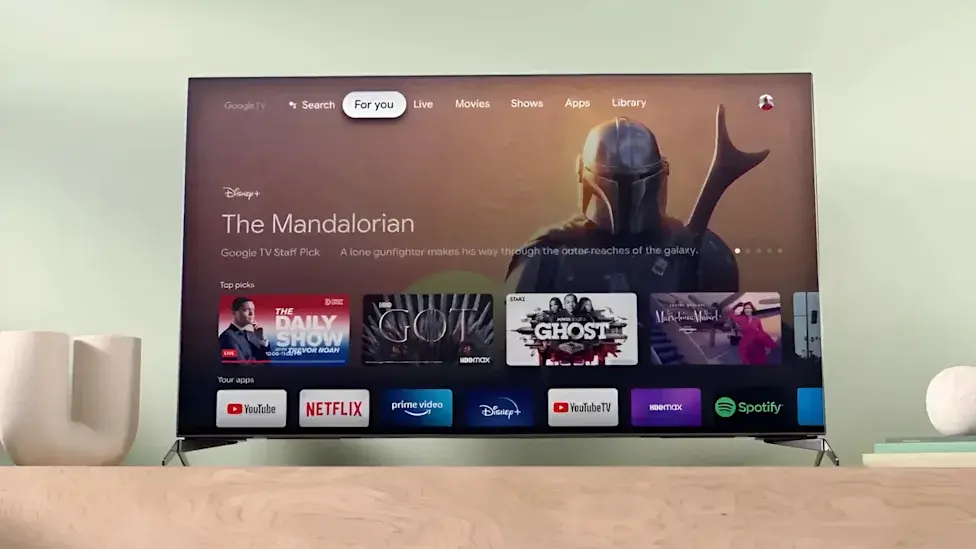
Some smart TVs display recommendations and promotional banners on their home screens, while certain streaming services insert advertisements between or during programs. Users may also have concerns about data collection and personalized advertising.
Developers are responding by creating tools designed to reduce these distractions. Instead of manually navigating complicated settings or disabling individual features, users may be able to rely on specialized software to simplify the viewing experience.
How AI-Powered Ad Removal Tools Work
AI-assisted television tools aim to identify unwanted advertising, tracking components, and interface clutter so they can be blocked or removed.
Depending on the product, these tools may combine automated detection with existing ad-blocking techniques and system-level controls. The exact capabilities differ between applications, and not every tool can remove advertisements from every service.
Some solutions focus primarily on the Android TV environment, where developers have greater flexibility to build applications and customize parts of the user experience.
However, users should understand that an app's ability to remove home-screen promotions is different from its ability to block advertisements embedded directly into a streaming video. Services can change their delivery systems, which may affect whether a particular blocking method continues to work.
Dumbtv and Cleanyourtv: Aiming for a Cleaner Experience
Dumbtv and Cleanyourtv are examples of projects associated with efforts to reduce advertising and unnecessary features on Android-based televisions.
Their appeal lies in the idea of making a smart TV feel simpler and less distracting. Instead of seeing promotional recommendations whenever the television starts, users want an interface that emphasizes their preferred content.
Depending on the implementation, an alternative TV setup may also reduce certain forms of tracking or unwanted network activity.
Before installing either tool, users should check the developer's documentation, supported television models, installation requirements, and current feature list. Compatibility can vary across Android TV versions and manufacturer-specific systems.
Can These Tools Block Every Smart TV Advertisement?
Not necessarily.
Smart TV advertising comes from several sources, and each can require a different approach to blocking.
Home-screen advertisements may be controlled by the television's launcher, while advertisements inside streaming applications may be delivered through the service itself. Some promotions can also be integrated directly into video streams, making them more difficult to distinguish from the content being watched.
Network-level blocking can reduce requests to known advertising servers, but it may also interfere with legitimate features. Some services can stop working correctly when their advertising or tracking endpoints are blocked.
AI may help identify patterns and automate certain tasks, but it does not guarantee complete ad removal. Results depend on the tool, television model, operating system, and service being used.
What About Privacy and Tracking?
Advertising is not the only concern for smart TV owners. Some connected televisions and streaming applications collect viewing and usage information to support recommendations, analytics, and advertising.
Tools that restrict tracking may appeal to users who want greater control over their data. Nevertheless, blocking certain network connections does not automatically eliminate all data collection.
Users should also review their television's privacy settings, disable optional data-sharing features where appropriate, and check the privacy policies of installed applications.
When considering third-party tools, it is important to download software from trusted sources and understand the permissions it requests. Unverified applications can introduce security risks, especially when they require elevated system privileges.
Why Ad Removal Creates a Challenge for Content Creators
Advertising supports a large part of the online entertainment industry. Streaming services, publishers, and content creators often rely on advertising revenue to fund free or lower-cost content.
When advertisements are blocked, those businesses may receive less revenue from viewers who would otherwise see their promotions.
This creates a difficult balance. Consumers want fewer interruptions and more control over their devices, while content providers need sustainable ways to pay for programming, infrastructure, and production.
Subscription plans, advertising-free tiers, and direct support from audiences offer alternative ways to fund content. However, these options are not equally affordable or available to everyone.
The growing interest in ad-blocking technology highlights the need for companies to make advertising less intrusive while offering users clear choices about privacy and personalization.
The Future of AI and Smart TV Advertising
As AI technology improves, developers may find new ways to identify unwanted interface elements, manage network requests, and customize connected devices.
At the same time, television manufacturers and streaming platforms are likely to continue developing their advertising systems. This could create an ongoing competition between tools designed to block unwanted content and platforms looking for more effective ways to deliver promotions.
The outcome will depend on technical limitations, platform policies, consumer demand, and the availability of legitimate customization options.
For users, the most practical approach is to combine trusted software with the privacy and advertising controls already provided by their television and streaming services.
Final Thoughts
AI-assisted tools for removing advertisements and tracking from smart TVs reflect a growing demand for a simpler, less intrusive entertainment experience.
Projects such as Dumbtv and Cleanyourtv demonstrate the interest in giving viewers more control over Android-based televisions. However, their effectiveness depends on the specific device and advertising system, and complete ad removal is not guaranteed.
As smart TVs become increasingly connected, consumers will continue to look for ways to balance convenience, privacy, and uninterrupted entertainment. Manufacturers and streaming services that respect those preferences may be better positioned to earn viewers' trust in the long run.
Leave a comment
Your email address will not be published. Required fields are marked *