


Almost everyone has received an unwanted phone call or suspicious text message. Some are simple marketing messages, while others may be attempts to steal passwords, banking information, credit card details or other personal data.
Modern smartphones make it easy to block and report suspicious phone numbers as spam or junk. But have you ever wondered what happens after you press that button?
Reporting a number does more than remove it from your phone. Your report can contribute to spam-detection systems used by mobile carriers, smartphone platforms and third-party security services.
What Happens When You Report a Number as Spam?
When you report a phone number as spam, information about the unwanted communication can be used to improve spam detection.
Mobile carriers and technology companies collect reports from users and use them to identify patterns associated with unwanted calls and messages. If a particular number receives a large number of spam reports, it may eventually be classified as suspicious.
This is one reason why you may see warnings such as "Spam Likely," "Potential Spam" or "Suspected Spam" when receiving calls.
The more reliable reports a system receives, the better it can identify numbers that may be associated with unwanted activity.
Your Report Can Help Other Phone Users
One of the biggest benefits of reporting spam is that it can help protect other people.
Suppose thousands of users receive calls from the same suspicious number and repeatedly report it. Those reports can contribute to databases used by carriers and spam-filtering services.
Eventually, calls from that number may be automatically flagged for other customers.
This means your spam report isn't necessarily just about stopping one caller from contacting you. It can become part of a larger system designed to identify unwanted communications.
How AI Is Improving Spam Detection
Spam detection is increasingly supported by artificial intelligence and machine learning.
These systems can analyze large amounts of information and identify patterns associated with scam calls, robocalls and suspicious text messages.
Google, for example, has introduced AI-powered scam-detection features designed to recognize potentially fraudulent conversations and calls.
User reports can provide additional signals that help automated systems identify suspicious activity.
However, reporting a number doesn't guarantee that it will immediately disappear from every spam database. Scammers can frequently change phone numbers or use spoofing techniques.
Third-Party Spam Apps Also Use Reports
Your report may also help third-party services that maintain their own databases of suspicious phone numbers.
Popular spam-blocking services such as Truecaller, Hiya and RoboKiller use information and reports to improve their ability to identify unwanted calls and messages.
When more people report the same number, these services can gain additional information about its reputation.
This creates a broader ecosystem in which reports from individual users can contribute to better spam protection for others.
What Is Neighbor Spoofing?
Reporting spam is especially important because scammers don't always use obviously suspicious numbers.
A common technique is known as neighbor spoofing.
With neighbor spoofing, a scammer makes the incoming caller ID look similar to your own phone number or a number from your local area.
For example, if your phone number starts with a particular local area code, a scammer may use another number with the same area code to make the call appear more familiar.
The goal is simple: you're more likely to answer a call when you believe it is coming from someone nearby.
Unfortunately, caller ID can be manipulated, so a local-looking number isn't necessarily proof that the caller is legitimate.
Scammers Can Pretend to Be Official Organizations
Some phone scams go beyond fake local numbers.
Scammers may pretend to represent banks, government agencies, delivery companies, police departments or other trusted organizations.
They may ask for sensitive information such as:
- Banking details
- Credit card numbers
- Passwords
- Verification codes
- Social Security or identity information
- Account login details
If a caller unexpectedly asks for sensitive information, it is safer to end the call and contact the organization through its official website or phone number.
How to Report Spam on iPhone
Apple provides several ways to filter and block unwanted communications.
For unwanted messages, iPhone users can enable filtering for unknown senders through the Messages settings.
To block a suspicious caller, open the phone number or contact information and select the option to Block Caller.
You can also report suspicious messages as junk when the option is available.
Reporting and blocking are useful together because blocking helps prevent further communication from that specific number, while reporting can provide information that contributes to broader spam detection.
How to Report Spam on Android
Android phones can provide similar functionality, although the exact menus can vary depending on the manufacturer and version of Android.
On devices using Google Messages, users can enable Spam Protection through the application's settings.
For suspicious calls, open the Phone app and locate the number in the call history. Depending on the device, you may see an option such as Block or Block/Report Spam.
Google's spam-detection systems can then use these reports as another signal when identifying suspicious numbers.
Blocking and Reporting Are Not the Same Thing
It's important to understand the difference between these two actions.
Blocking primarily prevents a particular number from contacting you.
Reporting spam sends information about the unwanted communication to the relevant service or provider and may help improve spam detection.
Therefore, reporting a number can have benefits beyond your own device.
If the communication is clearly fraudulent, using both Block and Report Spam is generally the better approach.
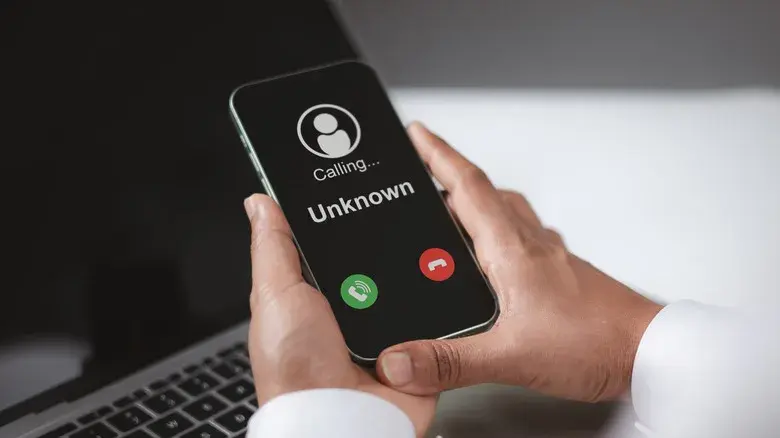
What If the Scammer Uses Another Number?
Unfortunately, reporting one number doesn't necessarily stop a scammer.
Many spam operations use multiple phone numbers, temporary numbers or caller-ID spoofing. A scammer may stop using one number and switch to another shortly afterward.
That's why spam protection increasingly relies on automated detection rather than simply blocking individual numbers.
Your reports can help these systems identify broader patterns instead of relying only on a single phone number.
Should You Report Every Unknown Number?
Not every unknown number is necessarily spam.
A legitimate business, delivery driver, doctor, friend or other contact could call from a number you don't recognize.
You should therefore avoid reporting legitimate callers simply because you don't have the number saved.
Report a number when you have a reasonable reason to believe the communication is unwanted, fraudulent, abusive or suspicious.
False reports can potentially make legitimate numbers appear suspicious, so accurate reporting matters.
What Should You Do With Suspicious Calls?
If a call appears suspicious, avoid providing personal or financial information.
Instead:
- Don't share passwords or verification codes.
- Don't provide banking or card information.
- Hang up if the caller pressures you.
- Verify the organization independently.
- Block the number if appropriate.
- Report the number as spam or fraud.
- Keep screenshots or other evidence if money or sensitive information is involved.
The safest approach is to contact the company or organization directly using a trusted number rather than continuing a suspicious conversation.
Final Thoughts
The next time you tap "Report Spam", remember that you're potentially doing more than cleaning up your own phone.
Reports can contribute to databases and detection systems used by carriers, smartphone platforms and third-party spam-blocking services. When large numbers of users report the same suspicious number, those reports can help systems recognize and flag similar calls for other people.
Spam callers constantly change tactics, numbers and techniques, so no reporting system can stop every unwanted call. However, combining spam reporting, call blocking and automatic spam protection can significantly improve your defenses against unwanted and potentially fraudulent communications.
اترك تعليقاً
لن يتم نشر عنوان بريدك الإلكتروني. الحقول المطلوبة مشار إليها بـ *