


Google Fitbit Edge Review: Why This Fitness Tracker Could Be the Best Choice for Everyday Use
Finding the right fitness tracker can be difficult. Some devices offer basic activity monitoring but lack a useful display, while others come with so many smartwatch features that they can feel unnecessarily complicated.
Google's new Fitbit Edge aims to offer a middle ground.
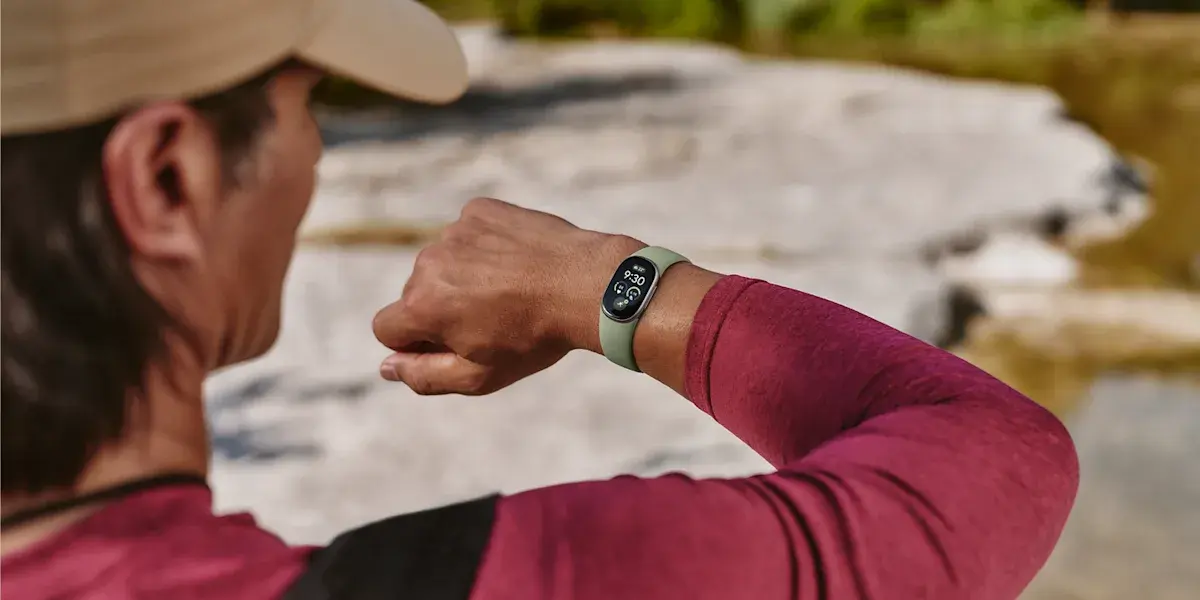
Priced at $179.99, the Fitbit Edge combines a lightweight design, a colorful OLED display, built-in GPS and comprehensive health tracking features. It is designed for people who want to monitor their daily activity, workouts and sleep without wearing a bulky smartwatch.
The device also introduces interchangeable bands, giving users more flexibility to change its appearance depending on the occasion.
After spending time with the Fitbit Edge, reviewers have found that its biggest strength is its simplicity. Rather than trying to replace a smartwatch, it focuses on doing the fitness tracking job well.
Fitbit Edge Design: Lightweight and Comfortable
One of the most appealing aspects of the Fitbit Edge is its compact design.
Unlike traditional smartwatches, which can feel relatively large on the wrist, the Edge has a slimmer profile that makes it comfortable for everyday use.
Its pebble-shaped body features a recycled aluminum case, while interchangeable straps allow users to customize its appearance.
Google offers several band options, including:
- Active Sport
- Performance Loop
- Metal Links
- Magnet Band
The different styles make it possible to wear the tracker during workouts or with everyday clothing.
The magnetic band is particularly interesting because it gives the device a more traditional watch-like appearance.
However, changing the bands can take a little practice. The attachment mechanism may feel unfamiliar initially, although swapping them becomes easier once you understand how it works.
1.3-Inch OLED Display Makes Fitness Tracking Easier
Unlike screenless fitness trackers, the Fitbit Edge includes a 1.3-inch OLED display.
This allows users to check important information without opening their smartphones.
The display can show the time, date, heart rate, step count and workout information. Users can also customize different screen layouts through the companion Google Health app.
Navigation is relatively straightforward.
Swiping up reveals quick settings, while notifications appear through another swipe gesture. Additional screens provide access to sleep information, weather, health measurements and workout options.
The display is especially useful during exercise because users can quickly check their heart rate and activity progress.
Its compact size does mean that navigating complicated menus is easier through the smartphone application.
Built-In GPS Lets You Exercise Without Your Phone
One major advantage of the Fitbit Edge is its built-in GPS.
Many affordable fitness trackers depend on a connected smartphone to record outdoor routes. The Edge can track outdoor activities independently.
This is useful for people who enjoy walking, running or cycling without carrying their phones.
The GPS can record workout routes and provide location information during outdoor activities.
The device also includes sensors that help monitor movement and physical activity.
For people who regularly exercise outdoors, having GPS directly inside the tracker makes the overall experience more convenient.
Health and Sleep Tracking Features
The Fitbit Edge offers more than basic step counting.
It includes several sensors designed to monitor different aspects of everyday health and activity.
These include:
- Heart rate monitoring
- Blood oxygen tracking (SpO2)
- Skin temperature measurements
- Sleep tracking
- Heart rate variability
- ECG functionality
- Activity and movement monitoring
Its sleep tracking system measures sleeping duration and patterns, providing information about different sleep stages and interruptions.
The companion Google Health app also provides a readiness score that helps users understand how prepared they may feel for their daily activities.
These measurements can be useful for identifying general patterns in sleep and exercise habits. However, they should not replace professional medical advice or diagnostic testing.
Up to Seven Days of Battery Life
Battery performance is another important reason to consider the Fitbit Edge.
Google advertises up to seven days of battery life on a single charge, depending on settings and usage.
That is considerably more convenient than charging many full-featured smartwatches every day or two.
Battery performance can decrease when users enable the always-on display or regularly use GPS and other demanding features.
The reviewer reported getting approximately a full week of use with the always-on display disabled.
This makes the device particularly convenient for overnight sleep tracking because users do not need to charge it every evening.
Smartphone Notifications and Google Health Integration
Although the Fitbit Edge is primarily a fitness tracker, it includes several useful connected features.
Users can receive incoming call alerts, message notifications and other updates from a paired smartphone.
It supports both Android and iPhone devices.
However, there are some limitations.
The tracker does not include a microphone or speaker, meaning users cannot directly answer phone calls or speak through the device.
Instead, it simply displays incoming call alerts and notifications.
Another important feature is its integration with Google's Health platform.
The companion application brings fitness information, sleep measurements and other health statistics together in one place.
For iPhone users, supported Google Health data can also synchronize with Apple Health.
Google Health AI Coach Adds More Personalized Guidance
Google is also promoting its AI-powered Health Coach as part of the Fitbit Edge experience.
The optional service can help users understand their fitness measurements, review sleep patterns and receive personalized workout suggestions.
It can also adjust exercise recommendations based on activity and recovery information.
The tracker includes a three-month trial of Google Health Premium, giving buyers an opportunity to explore these additional features.
After the trial, continued access requires a paid subscription.
However, users who only want basic fitness tracking may not need the premium service.
The standard tracking features remain useful without paying for an additional subscription.
Fitbit Edge: What Are the Disadvantages?
Despite its useful features, the Fitbit Edge has a few limitations.
First, it is not a full smartwatch. Users looking for advanced applications, direct calling or extensive smart features may find it restrictive.
The absence of a microphone and speaker means phone calls cannot be handled directly from the wrist.
The band replacement mechanism can also be slightly difficult to understand initially.
Another drawback is the Google Health app, which may sometimes take time to refresh information after the tracker exits sleep mode.
Finally, the premium AI coaching features require a subscription after the included trial expires.
These limitations are worth considering before making a purchase.
Is the Fitbit Edge Worth Buying?
At approximately $180, the Google Fitbit Edge occupies an interesting position in the wearable market.
It offers more functionality than basic fitness bands while avoiding many of the complications associated with expensive smartwatches.
Its lightweight design, interchangeable straps, built-in GPS, OLED display and extended battery life make it appealing for people who want to monitor their everyday fitness.
However, it may not be the right choice for users who want contactless payments, direct calling or advanced smartwatch applications.
Overall, the Fitbit Edge focuses on what made Fitbit popular in the first place: convenient fitness and health tracking.
For people who want a comfortable wearable that provides useful information without overwhelming them with unnecessary features, it could be a compelling option.
Final Verdict: The Fitbit Edge offers a practical balance between a traditional fitness band and a modern smartwatch. Its limitations are worth considering, but its display, GPS capabilities and battery performance make it an interesting choice for everyday fitness tracking.
Leave a comment
Your email address will not be published. Required fields are marked *