

Google Android Chief Praises Samsung Galaxy Z Fold8 as Foldables Gain Momentum
Foldable smartphones are becoming an increasingly important part of the Android ecosystem, and Google's Android leadership believes the category has significant room to grow.
Sameer Samat, President of the Android Ecosystem at Google, has praised the Samsung Galaxy Z Fold8, highlighting its productivity benefits and the broader potential of foldable devices.
Samat discussed the Galaxy Z Fold8 while talking about Google's Android strategy and the company's response to the growing foldable smartphone market. His comments come as Apple has entered the foldable-phone segment with its first foldable device, increasing competition in a category where Android manufacturers have already spent several years developing different form factors.
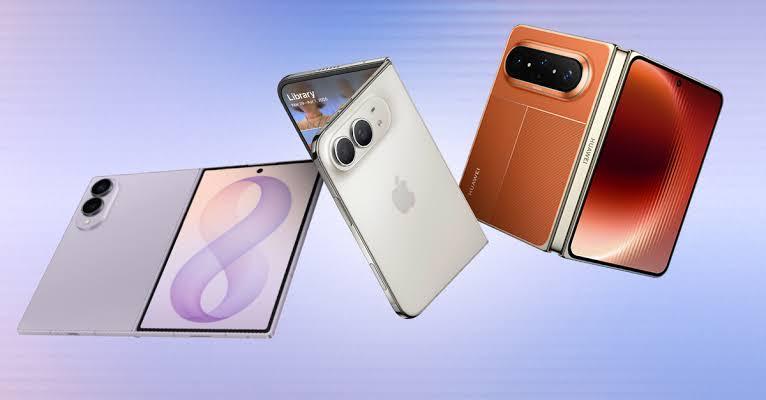
Google Android Chief Is Using the Galaxy Z Fold8
During a recent interview, Samat revealed that he has been using the Galaxy Z Fold8 and spoke positively about the device.
He described the Fold8 as an impressive device that helps him accomplish more work. According to Samat, he often begins productivity tasks on the foldable before moving to a laptop when necessary.
This highlights one of the key ideas behind Samsung's Fold series: combining the portability of a smartphone with a larger display that can provide a more desktop-like workspace.
The Galaxy Z Fold8 is designed to open into a wider screen, making it useful for multitasking, reading documents, watching videos, browsing websites and working across multiple applications.
Android Has Been Investing in Foldables for Years
Google's Android chief also pointed out that Android manufacturers have been developing foldable phones for years.
Samsung introduced its first Galaxy Fold in 2019, establishing the Galaxy Z Fold family as one of the longest-running foldable smartphone lines in the market. Since then, manufacturers across the Android ecosystem have introduced different designs, including book-style foldables and compact flip phones.
Google has also worked to improve Android's support for larger and flexible displays. The goal is to make it easier for developers to optimize applications for different screen sizes and foldable form factors.
Apple’s Entry Could Increase Interest in Foldables
Apple's arrival in the foldable smartphone market has added another major competitor to the category.
Samat said that he sees Apple's entry as evidence that more consumers are recognizing the potential of foldable phones. He also argued that Android has historically been an early platform for new smartphone form factors.
Apple's move could also encourage more developers to optimize their applications for foldable screens.
As more people use foldable smartphones, developers have greater reasons to make their applications work effectively across both traditional and flexible displays.
Google Wants More Apps Optimized for Foldables
Application support remains an important part of the foldable experience.
Not every Android application takes full advantage of a large foldable display. Some apps may simply stretch their existing interface, while others provide dedicated layouts that make better use of the additional screen space.
Samat acknowledged that there is still work to be done, but noted that Google has made development tools easier to use and that many applications have already been adapted for foldable devices.
Google's own applications, including services such as Gmail and YouTube, have been optimized to take advantage of larger foldable screens.
Galaxy Z Fold8 Focuses on Productivity
The Galaxy Z Fold8 continues Samsung's strategy of positioning foldables as productivity devices as well as smartphones.
The large inner display can be used for multitasking, document viewing, web browsing and content consumption. Samsung has also continued to reduce the weight and thickness of its foldable phones.
According to Samsung, the Galaxy Z Fold8 weighs 201 grams, making it the company's lightest Fold device to date and, according to Samsung, the world's lightest foldable in its class.
Samsung says the reduction was achieved through changes to the display, hinge, materials and internal components rather than relying on a single design change.
Galaxy Z Fold8 and Google's AI Ecosystem
Google and Samsung are also working closely on AI experiences for the latest Galaxy devices.
At Galaxy Unpacked 2026, Google highlighted new Gemini features coming to Samsung's latest foldables, including productivity and research-oriented capabilities. Google also announced that Gemini Notebook would be available on Samsung's new foldable devices, taking advantage of their larger displays.
This partnership shows how hardware and software optimization are becoming increasingly important in the foldable market.
A large screen can provide more space for AI-assisted workflows, multitasking and content creation, while Google's Android and Gemini software can provide the services that make those capabilities useful.
Why Foldable Phones Are Becoming More Important
Foldable phones offer manufacturers an opportunity to provide a larger display without requiring users to carry a traditional tablet.
A device such as the Galaxy Z Fold8 can operate like a conventional smartphone when closed and provide a substantially larger workspace when opened.
This flexibility has helped foldables find applications in areas such as:
- Mobile productivity
- Multitasking
- Video consumption
- Gaming
- Document editing
- Web browsing
- AI-assisted workflows
- Content creation
However, foldable phones still face challenges involving price, durability, battery life, software optimization and mechanical complexity.
Google's Android Strategy for Foldables
Google's continued focus on foldable software suggests that the company sees flexible-screen devices as an important part of Android's future.
As more manufacturers launch foldable phones, Android needs to support a growing range of screen sizes, aspect ratios and device configurations.
Better developer tools and optimized applications can help create a more consistent experience across different foldable devices.
For consumers, this could eventually mean more applications that automatically adapt between a compact cover display and a larger unfolded screen.
Final Thoughts
Sameer Samat's positive comments about the Samsung Galaxy Z Fold8 highlight the growing importance of foldable phones within the Android ecosystem.
The Galaxy Z Fold8 combines a traditional smartphone experience with a larger foldable display designed for productivity and multitasking. At the same time, Google is continuing to improve Android and its AI services for flexible-screen devices.
With Apple now entering the foldable market, competition is likely to bring additional attention to this category. More devices and greater developer interest could also encourage improvements in foldable software and user experiences.
For now, Google's Android leadership clearly sees foldables as an important part of the platform's evolution, while the Galaxy Z Fold8 represents one of Samsung's latest attempts to make the format thinner, lighter and more useful for everyday productivity.
Leave a comment
Your email address will not be published. Required fields are marked *