


Apple HomeView Smart Home Hub: Can Siri AI Help Apple Catch Up?
Apple is making a major move into the smart home market with Apple HomeView, a new smart display designed to bring Siri AI, home automation, entertainment and personal information together in one device. Priced at $299, HomeView represents Apple's attempt to compete with established products such as Amazon Echo Show and Google Nest Hub.
However, despite its premium design and AI-powered features, Apple faces an important question: can it convince customers to buy a dedicated smart home screen when similar devices have already been available for years?
What Is Apple HomeView?
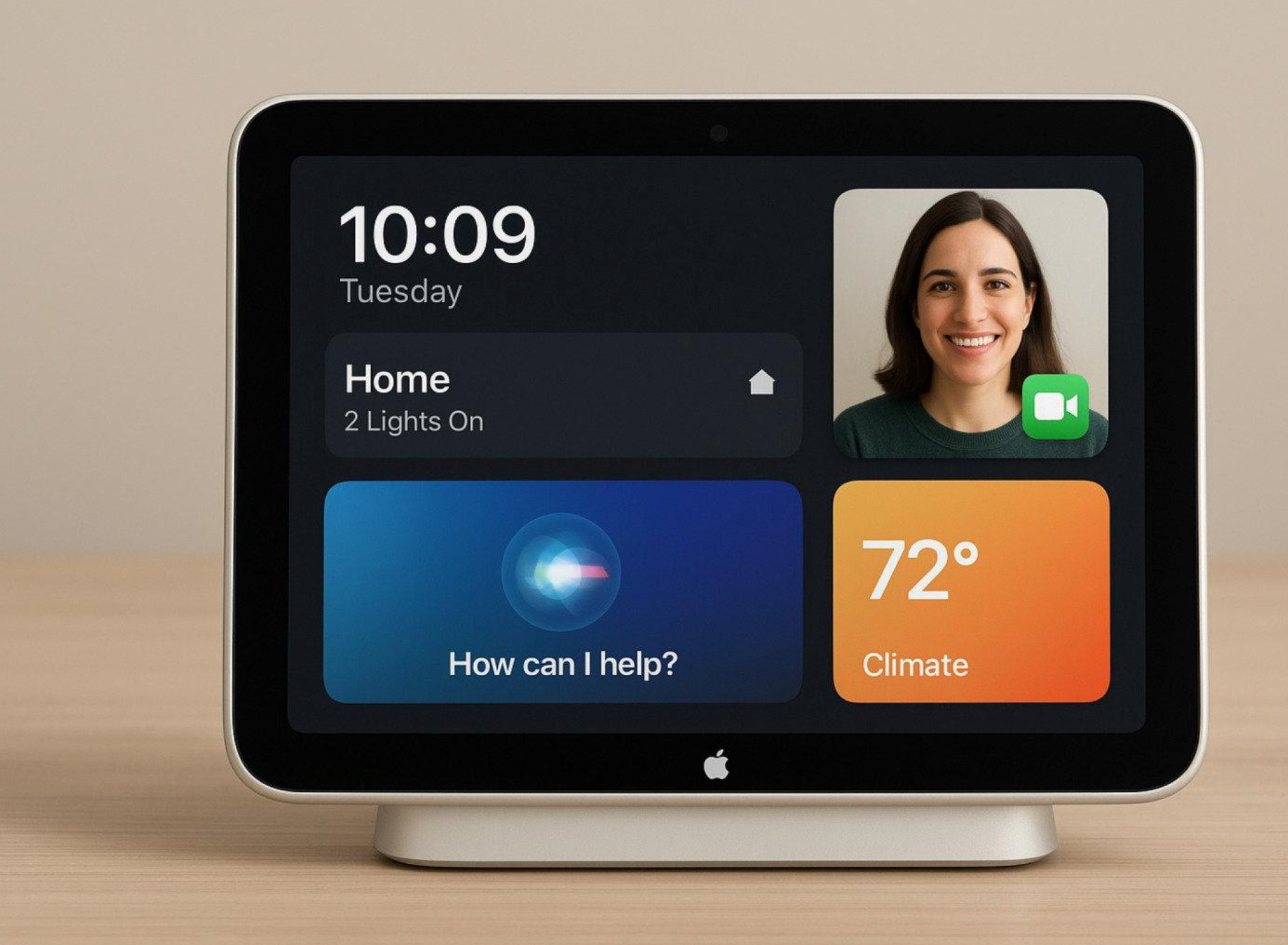
Apple HomeView is a smart home hub featuring a 7-inch Liquid Retina touchscreen. It can sit on a countertop or be mounted on a wall, allowing users to access compatible smart home devices, check their schedules, make video calls and interact with Siri.
The device is designed for shared household use. Instead of providing the same interface to everyone, HomeView can recognize up to six household members and personalize the experience for each person.
According to Apple's announcement, the device brings communication, entertainment and home management into a single interface.
Siri AI Is the Main Attraction
The biggest selling point of Apple HomeView is its upgraded Siri AI assistant.
Apple aims to make Siri more conversational and useful by allowing it to understand personal context from compatible Apple devices. With the necessary supported devices and settings, users can access relevant information from their calendars, messages and other apps.
For example, someone preparing dinner could ask Siri to find a recipe mentioned in a message, check their schedule or update a shopping list. Siri can also help control compatible smart lights, thermostats, cameras and door locks.
These features could make HomeView particularly useful in kitchens, hallways and other shared areas of the home.
However, Apple must demonstrate that its upgraded assistant can consistently deliver useful answers. Siri's previous limitations have created high expectations for this new generation of AI-powered features.
Personalized Features for Up to Six Users
HomeView is designed to work for multiple people rather than functioning as a personal tablet for just one owner.
Its camera can recognize enrolled household members and display personalized content, including messages, calendar events, reminders and supported apps.
This approach could be useful for families who share a central screen throughout the day. One person might check work appointments while another accesses reminders or uses FaceTime.
At the same time, personalized information creates privacy challenges. Apple says it has designed HomeView with safeguards intended to protect personal data, including secure processing and restrictions on access to private information.
The device's personalized capabilities also depend on compatible Apple hardware, accounts and software.
Apple HomeView Price and Release Date
Apple HomeView starts at $299 in the United States. Preorders opened on October 13, 2026, with availability scheduled to begin on November 13, 2026.
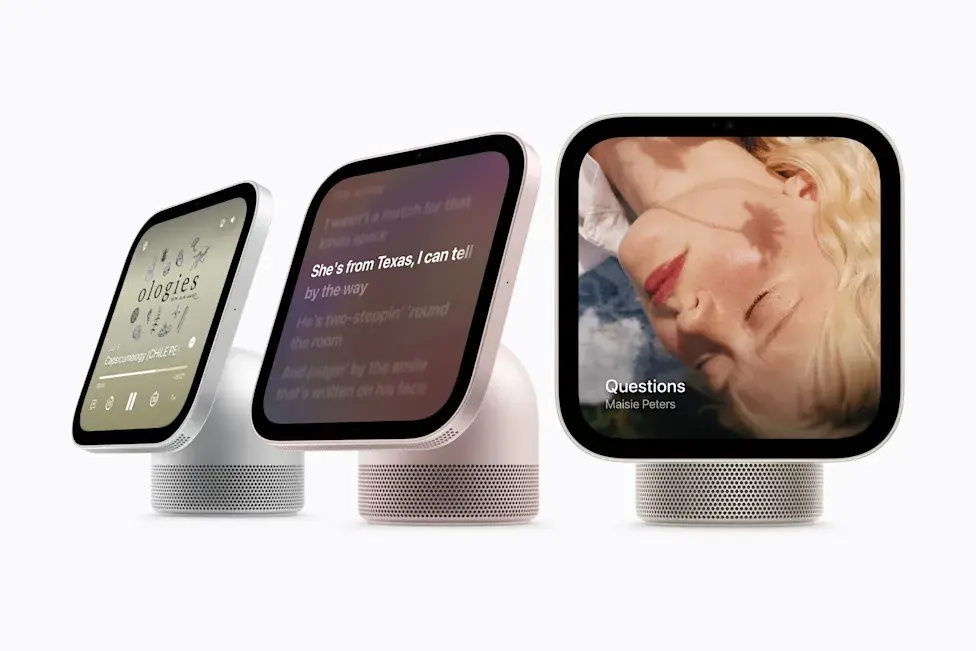
The device comes in tabletop and wall-mounted configurations, offering different ways to integrate it into a home.
Its premium pricing could be a challenge, particularly for buyers who mainly want basic voice commands, timers or smart lighting controls. Those tasks can already be handled by less expensive smart speakers.
For customers already invested in Apple's ecosystem, however, the combination of a touchscreen, personalized Siri, communication features and smart home controls may provide additional value.
Apple HomeView vs Amazon Echo Show and Google Nest Hub
Apple is entering a market where competitors have years of experience.
Amazon's Echo Show range combines Alexa with touchscreens, entertainment features and smart home controls. Google's Nest Hub products have also established a place in connected homes through Google Assistant and Google's broader services.
HomeView's biggest advantage could be its integration with iPhones, Apple accounts and the Apple Home platform.
Its ability to recognize different household members and provide personalized information may appeal to people who already use Apple devices throughout their daily lives.
Nevertheless, Apple's late entry presents a challenge. Consumers may already own smart displays that meet their needs, leaving Apple to explain why they should spend another $299.
Compatibility with third-party devices and services will also influence how useful HomeView becomes outside Apple's own ecosystem.
Privacy Could Give Apple an Advantage
Privacy is another important part of Apple's strategy.
HomeView uses Apple's A18 chip and security technologies designed to protect sensitive information. Apple says private data is handled with safeguards that limit access, and personalized features can rely on a compatible iPhone connected to the same home network.
For households that are uncomfortable with connected devices collecting personal information, these protections could be an important selling point.
However, privacy claims alone may not persuade everyone to buy a smart display. Customers will also consider its everyday usefulness, compatibility, price and reliability.
Why Apple HomeView Could Struggle
Despite its promising features, HomeView faces several potential obstacles.
First, the price is relatively high. At $299, it is a significant investment for a device whose main purpose is to provide a shared screen and smart home controls.
Second, Siri needs to prove itself. Customers will expect the upgraded assistant to understand requests, provide accurate responses and work reliably across different household situations.
Third, competition is already established. Amazon and Google have spent years developing smart home platforms and building relationships with customers.
Finally, not everyone needs another screen at home. People who already use smartphones, tablets and smart speakers may see HomeView as an unnecessary addition rather than an essential upgrade.
These challenges mean that Apple's success will depend on more than attractive hardware. The company needs to demonstrate that its combination of AI, personalization and privacy offers a genuinely better experience.
Final Verdict: Is Apple HomeView Worth Watching?
Apple HomeView is an ambitious attempt to make the smart home more personal and easier to manage. Its touchscreen, upgraded Siri AI, FaceTime capabilities and support for multiple household members give it several appealing features.
However, its $299 starting price and Apple's late arrival in the smart display market could limit its appeal.
For households already using iPhones and compatible Apple Home accessories, HomeView could become a convenient central control point. For everyone else, Amazon and Google may remain more practical alternatives.
Ultimately, Apple HomeView's success will depend on whether Siri AI delivers enough everyday value to justify the price. If Apple gets that balance right, HomeView could become an important part of its smart home strategy. If not, it risks arriving in a market where customers already have everything they need.
Source: Apple's official announcement and product information, published October 13, 2026.
Tinggalkan komentar
Alamat email Anda tidak akan dipublikasikan. Kolom yang wajib diisi ditandai *