

Pakistan Customs has uncovered an alleged Rs 3.2 billion WiFi router import scam involving two companies suspected of operating as fake or paper entities, prompting calls for a wider investigation into possible trade-based money laundering.
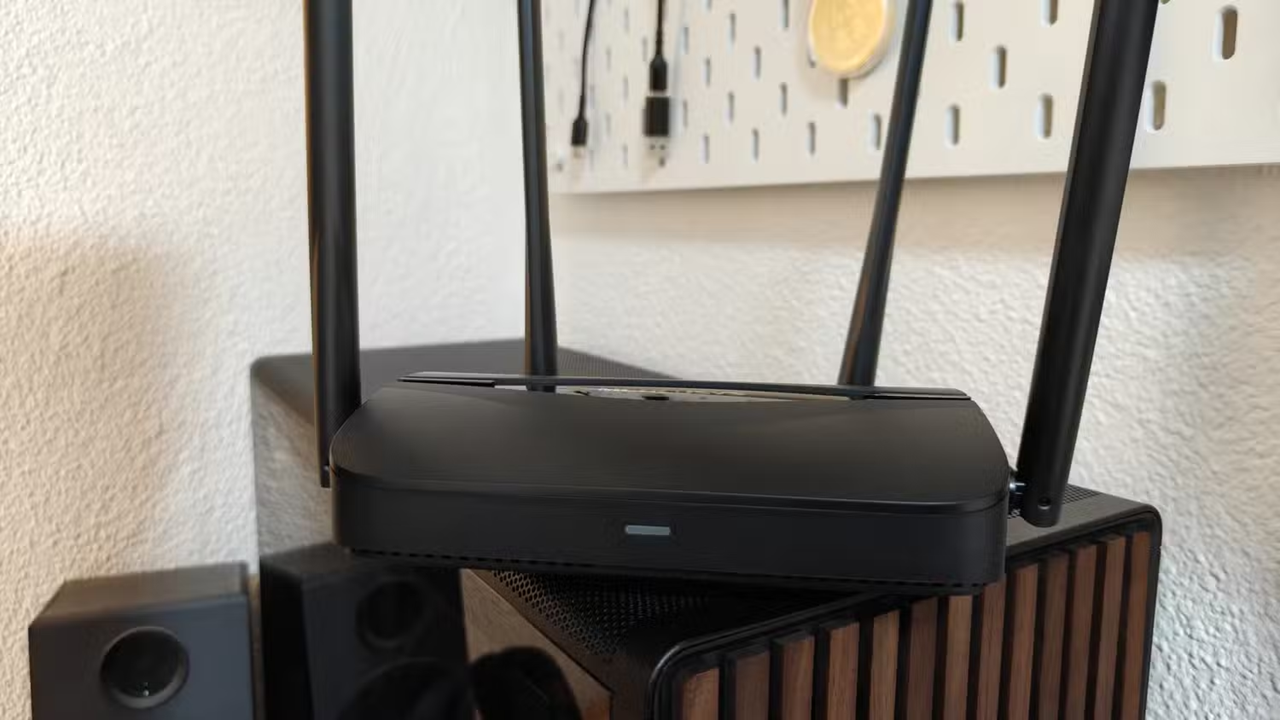
The case surfaced after Customs officials examined imports of 71,815 internet routers that were brought into the country without the mandatory certificates required by the Pakistan Telecommunication Authority.
Investigators identified 10 goods declarations covering the routers, which had been cleared through the Airport Facilitation Unit despite the absence of required PTA certification. The consignments were subsequently confiscated following adjudication.
The investigation widened when several individuals separately claimed ownership of portions of goods covered under the same declarations and sought their release. This prompted Customs to scrutinize the companies behind the imports in greater detail.
According to the investigation, both firms showed signs of having little genuine business presence. One company’s registered address was found to be a rice and flour shop, while the other was linked to a rented family residence.
One of the firms was also registered with the Federal Board of Revenue as a service provider and general order supplier, rather than as an importer.
Customs officials also flagged unusual activity linked to the companies’ WeBOC accounts. Their user IDs were reportedly accessed from 2,983 and 2,732 unique IP addresses, with 1,048 IP addresses shared by both firms.
Investigators said the access pattern suggested that multiple unidentified operators may have been using the companies’ tax and customs identities to conduct imports, misdeclare goods, violate import rules, and potentially move funds.
The financial capacity of the companies has also raised questions. Their combined declared capital reportedly stood at only Rs 2.2 million when the imports began, later reaching a maximum of about Rs 77.7 million.
According to Customs, even the higher figure appeared insufficient to support the scale of import activity recorded by the two firms.
The investigation also uncovered substantial valuation discrepancies. Customs increased the declared value of imported goods by around Rs 1.3 billion during assessment.
For the routers alone, the declared value was raised from Rs 97 million to Rs 565 million, which investigators cited as an indication of possible systematic under-invoicing.
The companies also recorded local sales of approximately Rs 2.9 billion, while reportedly paying minimal sales tax. Several buyers were either blacklisted, suspended, or inactive, while others were registered for businesses unrelated to the goods they purchased.
Further scrutiny showed the two firms shared 108 local buyers and 12 foreign suppliers. One overseas supplier accounted for around 61% of their combined imports, while their sales tax filings were also reportedly submitted within minutes of each other on several occasions.
Customs authorities believe the pattern may point to coordinated control behind the two entities.
The Collectorate of Customs Airport Karachi has recommended forming a Joint Investigation Team involving anti-money-laundering officials from Customs, Inland Revenue and potentially the Federal Investigation Agency.
The proposed investigation would examine possible violations of the Anti-Money Laundering Act, 2010, including beneficial ownership, the source of funds, and whether international trade transactions were used to facilitate illicit financial transfers.
Customs has also recommended suspending or cancelling the companies’ WeBOC user IDs and referring the matter to RTO-II Karachi for further income tax and sales tax proceedings.
The case has brought renewed attention to the risks posed by shell companies, under-invoicing and misuse of import documentation in high-value telecom equipment trade.
Tinggalkan komentar
Alamat email Anda tidak akan dipublikasikan. Kolom yang wajib diisi ditandai *