

Apple's iPhone keyboard is drawing attention after independent researchers discovered that its predictive text system excludes approximately 100,000 words and phrases from autocomplete and swipe-typing suggestions. The findings raise questions about how Apple decides which words users can easily access through its keyboard and whether certain political expressions and everyday phrases are being unfairly filtered.
According to Reuters, the discovery includes politically sensitive terms, controversial expressions, regional independence slogans, and even seemingly harmless phrases. Although users can still manually type these words, Apple's keyboard generally avoids recommending them through its predictive text feature.
The findings have sparked a wider discussion about transparency, censorship, and the influence technology companies have over everyday communication.
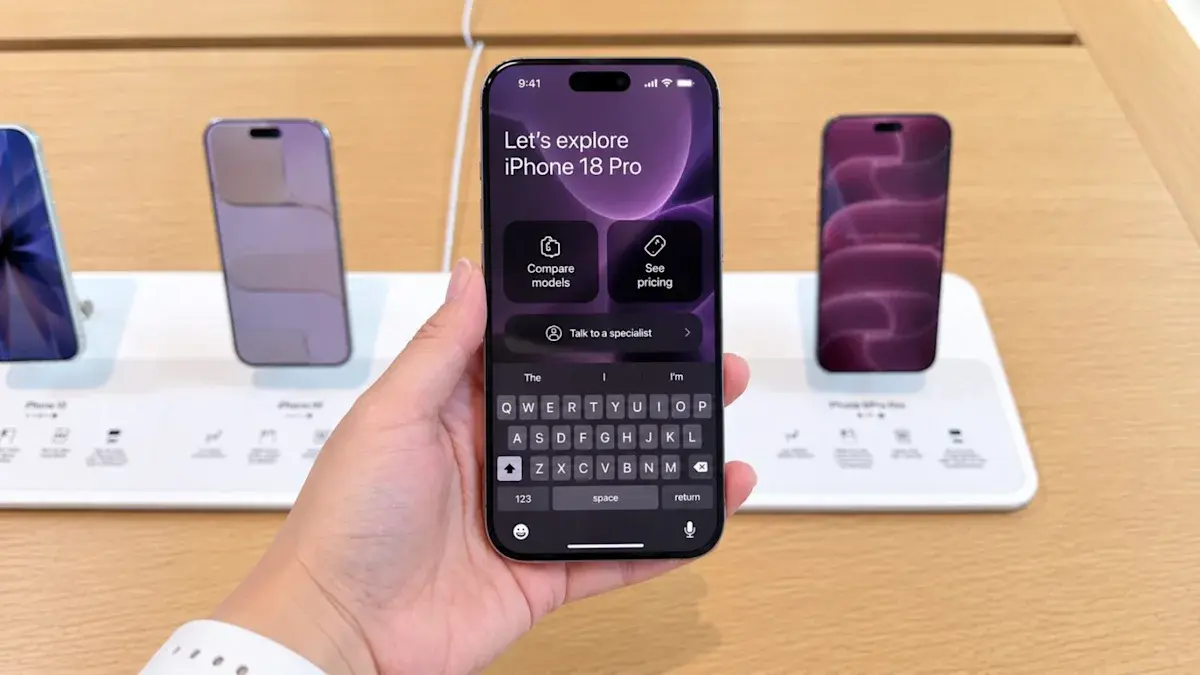
Researchers Discover a Hidden List of 100,000 Blocked Words on iPhone
Independent researcher Derik Kauffman uncovered a hidden list inside Apple's iOS operating system containing approximately 100,000 words, phrases, and variations across multiple languages.
The list affects Apple's predictive text and autocomplete features, preventing certain expressions from appearing as suggested words while users type. Another independent researcher reportedly confirmed the discovery, adding credibility to the findings.
Importantly, this does not mean Apple completely prevents users from writing these words. iPhone owners can still enter the terms manually, one letter at a time. The restrictions primarily affect the keyboard's suggestions rather than the ability to send or publish messages containing those expressions.
The discovery has attracted attention because most iPhone users are unlikely to know that such a filtering system exists within their device's keyboard.
From Political Expressions to Everyday Phrases
One of the most surprising aspects of the discovery is the variety of words and expressions included on Apple's list.
Researchers identified several politically sensitive phrases, including:
"Dictator Trump"
"Sleepy Joe"
"Left wing conspiracy"
"Right wing conspiracy"
"Tibetan independence"
"United Ireland"
However, the list is not limited to political language. It also reportedly includes ordinary expressions such as "Santa isn't real" and "iMessage isn't working."
These examples raise questions about how Apple determines which phrases are inappropriate or potentially offensive.
Reuters also reported that certain politically sensitive expressions were filtered in different languages, including Hindi, French, and Hebrew. This suggests that Apple's predictive text restrictions may vary depending on language and regional settings.
For users, the discovery highlights how a seemingly simple keyboard feature can involve complicated editorial decisions.
Apple's Predictive Text Filtering Raises Questions About Fairness
Another concern identified by researcher Derik Kauffman involves inconsistencies between similar expressions.
For example, the phrase "bad girl" reportedly does not appear in predictive suggestions, while "bad boy" remains available.
This difference raises questions about whether Apple's filtering system follows consistent standards or relies on a broader set of rules that have not been publicly explained.
If the primary purpose is to prevent offensive or inappropriate suggestions, users may reasonably expect similar expressions to receive similar treatment.
Apple has not publicly explained why individual phrases appear on the exclusion list or provided a detailed breakdown of how these decisions are made.
Without clear guidelines, it is difficult for users to understand whether the restrictions are based on safety, cultural sensitivity, regional regulations, or other considerations.
What Apple Says About the iPhone Keyboard Restrictions
Apple told Reuters that its keyboard is designed to avoid suggesting words and phrases that could be considered potentially inappropriate or offensive.
The company also explained that users remain free to type whatever they want, even when predictive text does not recommend a particular expression.
This distinction is important because Apple's system does not necessarily block communication. Instead, it influences which words appear automatically as users type.
However, the company's explanation has not answered every question raised by the research.
For example, it remains unclear why certain political expressions and seemingly harmless statements are included. Apple has also not provided a public explanation of how its filtering decisions differ across languages and regions.
The absence of detailed information makes it difficult to evaluate whether the system consistently follows its stated purpose.
How Predictive Text Can Influence What People Write
Predictive text is designed to make typing faster and more convenient. It suggests words and phrases based on what users enter, helping them complete messages without typing every character.
However, when certain expressions are excluded from suggestions, the experience can change.
Some users may manually enter the missing words, while others might choose alternative expressions, shorten their messages, or abandon a particular phrase altogether.
Although this does not amount to direct censorship, it demonstrates how keyboard recommendations can influence everyday communication.
Apple's iPhone keyboard is used by millions of people worldwide, making its predictive text decisions particularly important. Even small changes to suggested words can affect how users interact with their devices.
The bigger concern is transparency. When a technology company makes decisions about which expressions receive automatic suggestions, users should have a reasonable understanding of the rules behind those decisions.
What Apple Should Do to Improve Transparency
The discovery of Apple's hidden word list highlights the need for clearer policies surrounding predictive text and autocomplete restrictions.
Apple could address these concerns by publishing the general criteria used to exclude words and phrases from keyboard suggestions.
The company should also explain how regional and language-specific restrictions are determined, particularly when similar expressions receive different treatment.
Another useful step would be introducing a review process that allows users and researchers to challenge questionable entries.
Providing greater transparency would help users understand how Apple's keyboard works and whether its filtering practices are consistent with the company's stated goals.
Ultimately, predictive text is more than a convenience feature. It plays an important role in how people communicate through their smartphones. Users deserve to know how the technology makes decisions about the words it recommends.
Bir yorum bırakın
E-posta adresiniz yayınlanmayacaktır. Gerekli alanlar * ile işaretlenmiştir