

Apple's Expanding MacBook Lineup Could Confuse Buyers
Apple is reportedly preparing to expand its MacBook lineup with more options across different price ranges, performance levels and display technologies. While additional choices could help customers find a laptop that suits their needs, the growing number of models may also make Apple's product range harder to navigate.
The potential introduction of OLED touchscreen MacBook Pro models could add another premium category to an already expanding family of laptops. Combined with the MacBook Neo, MacBook Air and several MacBook Pro configurations, Apple's lineup could eventually include multiple machines with overlapping features and prices.
For buyers, the challenge may no longer be finding a suitable MacBook. Instead, it could be deciding which model offers the best value without paying for features they don't need.
Apple's MacBook Models Are Becoming Increasingly Similar
Apple's laptop range serves several types of customers, from students and everyday users to professional creators and developers. However, as the company introduces more configurations, the differences between certain models may become less obvious.
The potential lineup includes:
- MacBook Neo: An entry-level laptop aimed at budget-conscious buyers.
- 13-inch MacBook Air: A compact option for students, professionals and everyday users.
- 15-inch MacBook Air: A larger laptop for people who want more screen space without stepping up to a Pro model.
- 14-inch MacBook Pro: A more powerful option available in different configurations.
- 16-inch MacBook Pro: A larger, performance-focused laptop for demanding workloads.
- OLED touchscreen MacBook Pro: A rumored premium category that could introduce a different display experience.
Not every model or future configuration has been officially confirmed. The list reflects the potential direction of Apple's laptop strategy based on reported developments.
The main concern is product overlap. Customers comparing a higher-end MacBook Air with an entry-level MacBook Pro may find that the two machines meet many of the same needs, making the purchasing decision more complicated.
The Entry-Level MacBook Pro Is the Biggest Question Mark
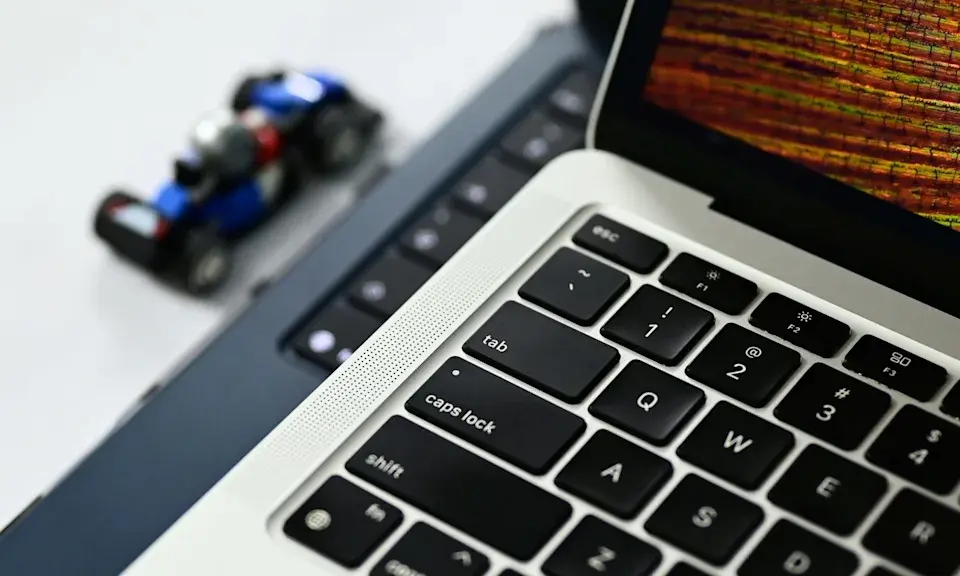
One of the more interesting parts of Apple's current strategy is the entry-level 14-inch MacBook Pro.
A MacBook Pro with a standard M-series chip can appeal to buyers who want the Pro design and features without paying for the most expensive processor configurations. At the same time, a well-equipped MacBook Air may provide enough performance for many of the same users.
This creates a potential problem for Apple's product positioning. If two laptops offer comparable everyday performance, customers may struggle to understand why they should choose one over the other.
However, the differences are not necessarily limited to processor performance. Display technology, ports, cooling, battery life and other hardware features can influence which model makes sense for a particular buyer.
Apple also has a commercial reason to maintain the entry-level Pro category: customers may be willing to pay extra for its professional features and design. Reports suggest the company could continue developing this part of the lineup rather than eliminating it.
For now, the question is whether Apple can make the distinctions between its Air and Pro models clearer as more options arrive.
Could OLED Touchscreens Change the MacBook Pro?
OLED technology could become one of the biggest changes to Apple's future laptop designs.
According to reports, Apple is working toward MacBook Pro models with OLED displays and touchscreen functionality. OLED panels can deliver deep blacks, strong contrast and vibrant colors, potentially creating a more premium viewing experience than conventional LCD-based displays.
Adding touch input would also represent a notable change in Apple's approach to the Mac. The company has traditionally emphasized trackpads, keyboards and other input methods rather than making touchscreen Macs a central part of its product strategy.
A touchscreen MacBook Pro could appeal to users who want more direct interaction with content, creative applications or certain productivity tools. However, the overall experience would depend on how Apple integrates touch controls into macOS.
These features remain part of reported future plans rather than a guarantee that every MacBook Pro will receive a touchscreen.
Apple Could Eventually Merge Its MacBook Pro Lines
If touchscreen OLED models become popular, Apple could eventually reconsider how it separates standard MacBook Pro models from premium versions.
One possible strategy would be to introduce OLED touchscreens at the top of the range before gradually expanding the technology to more affordable configurations as manufacturing costs fall.
Such a move could allow Apple to simplify its lineup over time. Instead of maintaining several closely related Pro categories, the company might eventually differentiate models through screen size, processor performance and a smaller number of meaningful hardware upgrades.
However, there is no confirmation that Apple intends to merge its MacBook Pro lines. Much will depend on the cost of OLED panels, customer demand and the company's broader hardware strategy.
For buyers, the important point is that future display technology could change the way Apple positions its premium laptops.
Could MacBook Air and iMac Models Get OLED Displays Too?
The reported OLED plans may eventually extend beyond the MacBook Pro.
Apple is reportedly exploring OLED displays for future MacBook Air and iMac models. If those developments move forward, OLED technology could gradually become available across more of the Mac lineup.
That transition is unlikely to happen across every product at once. Display costs, production capacity and product refresh schedules can all affect when a new technology reaches different price categories.
Until then, customers should not assume that an upcoming MacBook Air or iMac will automatically include an OLED panel. Apple has not confirmed a complete timeline for such upgrades.
What This Means for People Buying a MacBook
Anyone shopping for a MacBook should focus on current needs rather than buying a laptop based entirely on rumors about future models.
Students and everyday users may find a MacBook Air or an entry-level model sufficient for browsing, writing, video calls and general productivity. Professionals who work with demanding creative applications may benefit more from a MacBook Pro with suitable performance and connectivity.
Before making a purchase, consider the following:
- Budget: Decide how much you are comfortable spending before comparing configurations.
- Performance: Choose a processor that suits your actual workload rather than automatically selecting the most expensive option.
- Display: Consider screen size, brightness, contrast and whether touch input would be useful.
- Portability: A smaller MacBook may be easier to carry every day, while a larger model provides more workspace.
- Long-term value: Compare the features available now instead of paying extra based on unconfirmed future upgrades.
If OLED touchscreens are important to you, waiting for an official announcement may be worthwhile. However, there is no guarantee that a rumored model will arrive on a particular date or at an affordable price.
Final Thoughts
Apple's expanding MacBook family could give customers more choices, but it also raises questions about how clearly each model fits into the overall lineup.
The MacBook Neo, MacBook Air and different MacBook Pro configurations already serve overlapping audiences in some areas. The potential addition of OLED touchscreen models could make the range even more complicated unless Apple establishes clearer differences between its products.
OLED technology could eventually become a major part of the Mac experience, but the bigger challenge for Apple may be deciding how many models it needs and what makes each one worth buying.
For now, buyers should compare the available models carefully and treat reports about future touchscreen Macs as unconfirmed until Apple makes an official announcement.
Leave a comment
Your email address will not be published. Required fields are marked *