

What Are the White Cameras Mounted Above Traffic Lights? Here's What They Actually Do
If you have ever noticed small white cameras mounted above traffic lights or at busy road intersections, you may have wondered whether they are monitoring drivers, recording license plates, or catching people breaking traffic laws.
These devices are becoming increasingly noticeable as governments and transportation departments introduce more technology to manage roads and improve traffic safety.
However, not every camera mounted above a traffic light is designed for surveillance or issuing traffic tickets. Many are actually part of intelligent traffic management systems that help monitor vehicles, detect congestion, and control traffic signals automatically.
Understanding the difference between traffic monitoring cameras, red-light cameras, and automated license plate readers (ALPRs) can help drivers better understand what these devices are doing.
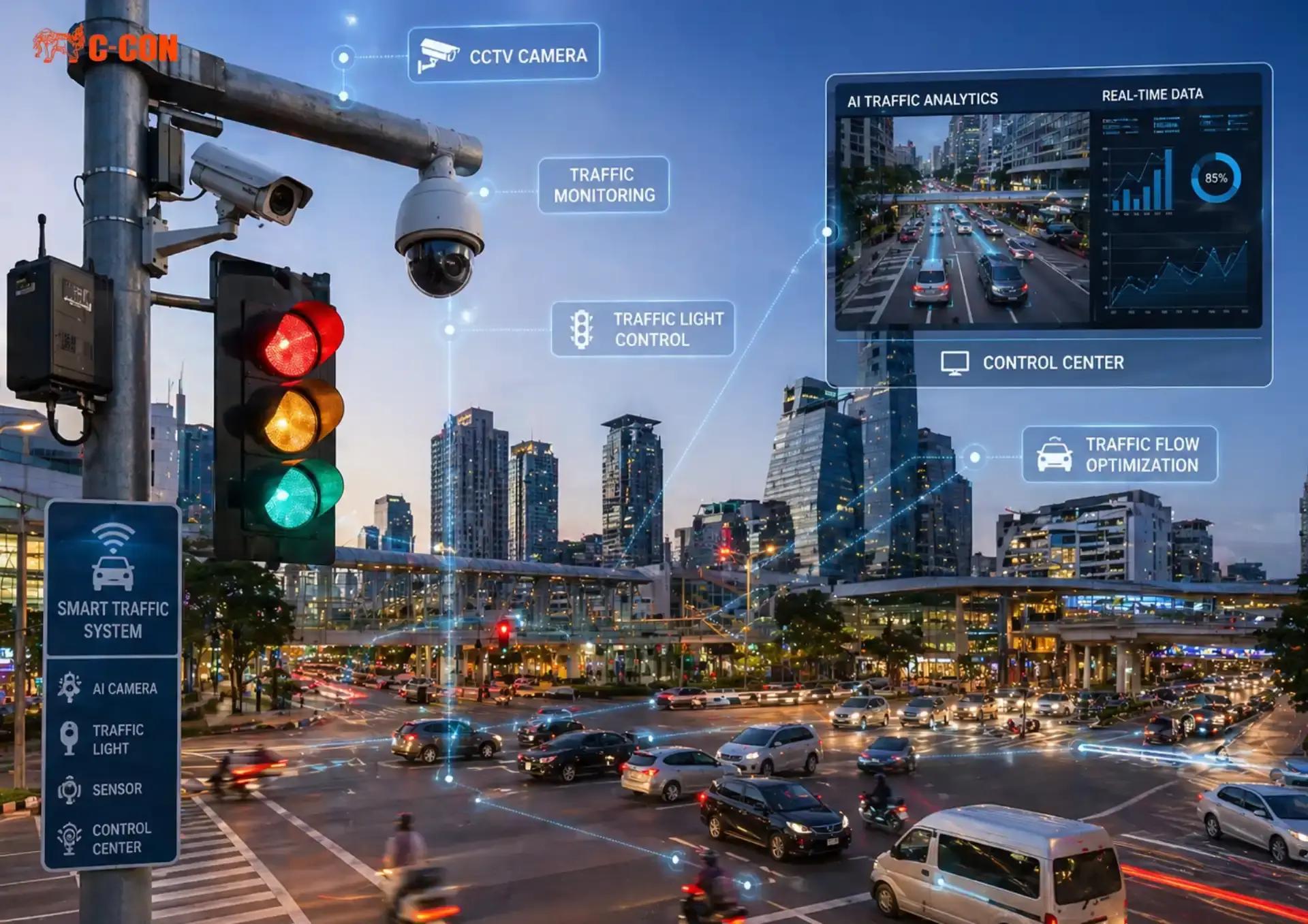
Why Are White Cameras Installed Above Traffic Lights?
The small white cameras commonly seen above traffic signals are often traffic-monitoring or vehicle-detection devices.
Their primary purpose is to help transportation authorities understand traffic conditions and keep vehicles moving efficiently.
These cameras can provide real-time information about the number of vehicles approaching an intersection, traffic congestion, and possible road incidents.
In some locations, traffic management teams monitor live camera feeds and use the information to respond to accidents or adjust traffic signal timings.
Other systems automatically analyze camera images and send vehicle-detection information to traffic light controllers.
According to the US Federal Highway Administration, video detection systems can process road images to identify vehicles and generate useful traffic information, including vehicle presence, traffic flow, and speed.
How Traffic Cameras Help Control Traffic Lights
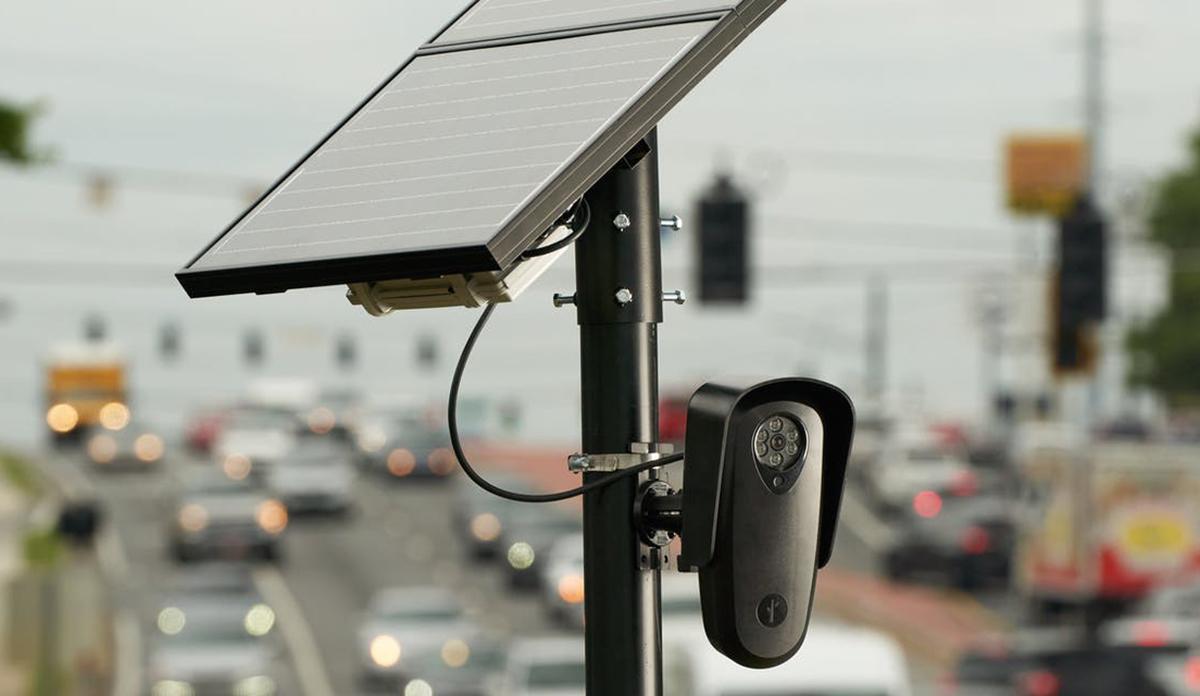
One of the most important functions of these cameras is helping traffic signals respond to actual road conditions.
Traditional traffic lights often operate using fixed timing schedules. For example, a signal may remain green for a predetermined period regardless of how many vehicles are waiting.
Modern traffic management systems can use cameras and other sensors to make signal operations more responsive.
Here is how the process generally works:
A camera or vehicle detector monitors an approaching lane.
The system identifies whether vehicles are waiting at the intersection.
The information is sent to the traffic signal controller.
The controller uses its programmed rules to determine when the signal should change.
Traffic lights adjust their timing according to the system's configuration.
This technology can help reduce unnecessary waiting, improve traffic flow, and make intersections more efficient.
Some systems also use radar, infrared sensors, and magnetic detectors installed beneath road surfaces instead of conventional cameras.
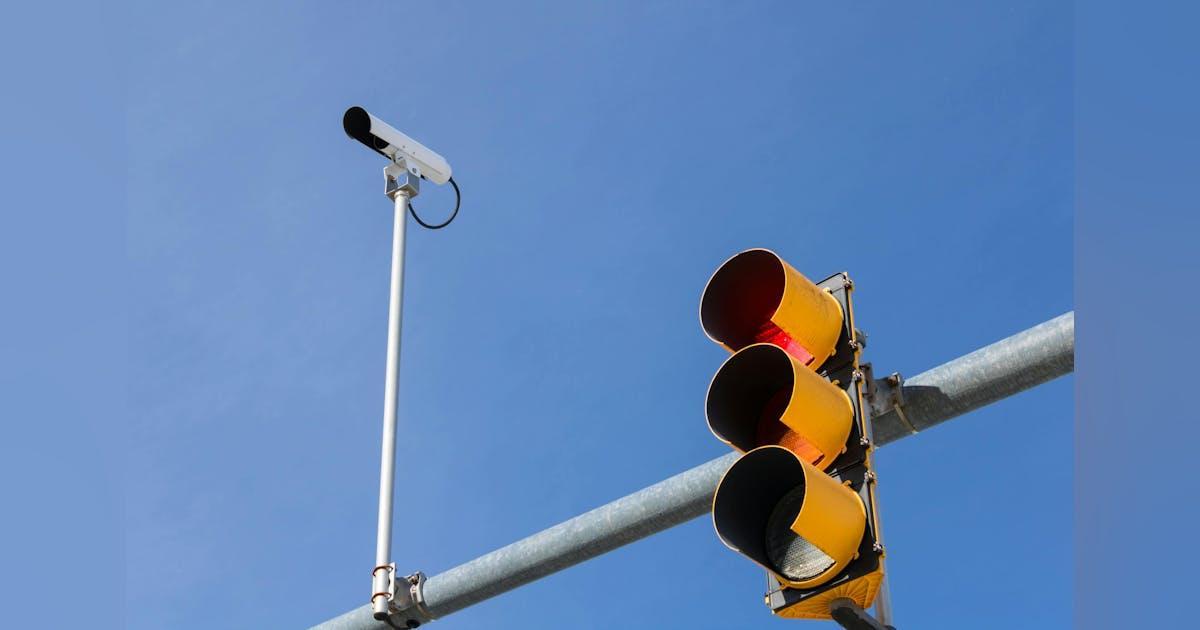
Are These Cameras Used to Catch Drivers Breaking Traffic Laws?
Not necessarily. This is one of the biggest misunderstandings about roadside cameras.
Several different types of cameras and sensors can be installed around traffic lights, but they do not all serve the same purpose.
Here are the main differences:
| Camera type | Main purpose |
|---|---|
| Traffic monitoring cameras | Observe traffic conditions and congestion |
| Vehicle detection cameras | Detect approaching or waiting vehicles |
| Red-light cameras | Record qualifying red-light violations |
| Speed cameras | Measure vehicle speed and enforce speed limits |
| License plate readers (ALPRs) | Capture and read vehicle registration plates |
A traffic-monitoring camera is generally intended to help manage road conditions rather than issue fines.
Red-light enforcement cameras, on the other hand, are specifically designed to document certain traffic violations where permitted by local law.
The camera's appearance alone is not enough to determine its purpose.
How Are Traffic Monitoring Cameras Different From Flock Cameras?
Another reason people are paying attention to roadside cameras is the growing use of automated license plate readers.
One widely discussed example is Flock Safety.
Its cameras are designed to capture vehicle information, including license plates, vehicle colour, make, and model. The information can be searched by authorized users for investigative purposes.
Unlike ordinary traffic-management cameras, automated license plate readers are specifically designed to identify and record passing vehicles.
This distinction matters because the two technologies have different objectives.
Traffic monitoring systems primarily help transportation departments understand and manage road conditions, while license plate readers can create searchable vehicle records.
The use of these systems has also raised privacy concerns about data storage, access, sharing, and potential misuse.
Can Traffic Cameras Record Your Vehicle or License Plate?
The answer depends on the equipment installed at a particular intersection.
Some traffic cameras capture video footage that may include vehicles and their registration plates. However, that does not automatically mean they are operating as automated license plate readers.
Many vehicle-detection systems only need to identify the presence of a vehicle within a particular area to help control traffic signals.
Other systems can collect additional information, such as vehicle speed, classification, and traffic volume.
Transportation authorities determine how their equipment is configured and what information is collected or retained.
Drivers should therefore avoid assuming that every camera above a traffic signal is either recording their identity or completely incapable of capturing identifying details.
Why Are Traffic Camera Systems Becoming More Important?
As cities grow and the number of vehicles increases, managing traffic through traditional fixed-timing signals becomes more challenging.
Intelligent transportation systems offer several potential benefits.
Reduced traffic congestion: Vehicle detection can help traffic signals respond to changing road conditions.
Improved road safety: Monitoring systems can help operators identify accidents, stopped vehicles, and unusual traffic conditions.
Better emergency response: Traffic monitoring can help authorities identify incidents and coordinate assistance.
Improved traffic planning: Collected traffic information can help engineers identify congestion patterns and determine where road improvements may be necessary.
More efficient intersections: Adaptive signal control can reduce unnecessary waiting when implemented correctly.
The US Federal Highway Administration documents several technologies used for these purposes, including video detection, infrared sensors, radar, and other vehicle-detection equipment.
Are These White Cameras Used in Pakistan?
Pakistan is also moving towards technology-assisted traffic management and enforcement.
For example, cities such as Lahore have introduced camera-based traffic monitoring and electronic enforcement initiatives.
However, the equipment used at different intersections can serve different purposes. Some installations may support traffic surveillance, while others may be associated with traffic violations or vehicle identification.
Drivers should not assume that every white camera mounted above a traffic light in Pakistan has the same capabilities as the systems used in the United States.
The specific function depends on the equipment, the relevant traffic authority, and the system connected to it.
Final Thoughts
Those small white cameras mounted above traffic lights are not necessarily surveillance devices designed to track individual drivers.
Many are part of intelligent transportation systems that detect vehicles, monitor congestion, and help traffic signals operate more efficiently.
However, other roadside devices, including speed cameras, red-light enforcement systems, and automated license plate readers, serve different purposes.
The most important thing to understand is that not every traffic camera is a surveillance camera, and not every roadside camera works in the same way.
As smart-city technology continues to develop, transparency about how these devices collect, process, and store information will become increasingly important.
اترك تعليقاً
لن يتم نشر عنوان بريدك الإلكتروني. الحقول المطلوبة مشار إليها بـ *