

Losing money to an online scam is already a stressful experience, but cybercriminals are now exploiting victims a second time by offering fake money recovery services through Facebook advertisements and fraudulent government profiles.
These scammers pretend to represent fraud investigation agencies, cybersecurity companies, or even the Federal Bureau of Investigation (FBI). They promise to recover stolen money, cryptocurrency, and hacked digital assets, but their real objective is to steal more money and personal information from already vulnerable victims.
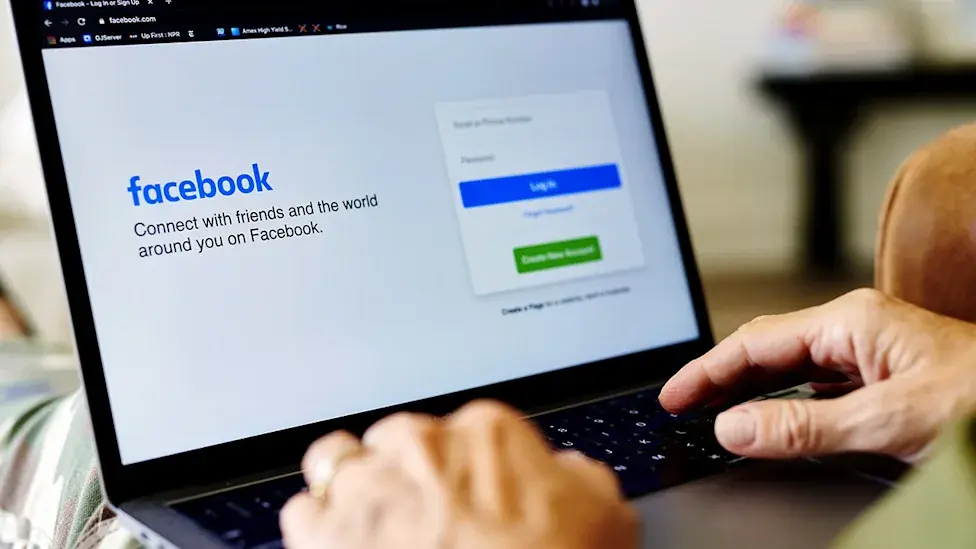
A recent investigation highlighted by Fox News' CyberGuy report revealed suspicious Facebook advertisements and profiles impersonating official authorities. Meta confirmed that it removed the reported accounts and advertisements for violating its impersonation policies.
How Facebook Recovery Scams Are Targeting Victims
The latest scams focus on people who have previously lost money through online fraud.
Scammers understand that victims may be searching desperately for ways to recover their savings. They take advantage of this situation by advertising services that claim to trace stolen funds, recover cryptocurrency, or investigate fraudulent transactions.
One reported Facebook advertisement promoted a service called DARKTRACER, claiming to help people recover stolen assets and access hacked cryptocurrency wallets. The advertisement encouraged users to contact the supposed recovery service through Facebook Messenger.
Another suspicious Facebook page used FBI-related images, government references, and official-looking graphics to create the impression that it was connected to federal investigators.
These advertisements can appear convincing, particularly to people who are unfamiliar with legitimate fraud investigation procedures.
Fake FBI Profiles Are Making the Scam More Convincing
One of the most concerning developments involves criminals impersonating officials associated with the FBI's Internet Crime Complaint Center (IC3).
In the reported case, a Facebook page used the identity of a supposed fraud investigation director. Its cover image included references to the White House, FBI headquarters, cryptocurrency, and the US Department of Justice.
The page claimed to help victims navigate the IC3 complaint process and suggested that people who had lost more than $4,000 might qualify for federal review.
However, there was no supporting evidence for this claimed financial threshold in the FBI's published guidance.
The FBI has clearly warned that IC3 does not maintain an official social media presence. It does not investigate crimes or recover stolen money through Facebook Messenger, Telegram, or similar platforms.
FBI Warns About Scammers Using Facebook Messenger and Telegram
The FBI issued a public warning on July 20, 2026, about criminals impersonating IC3 investigators on social media.
According to the agency, scammers may approach people who have already reported online fraud. They pretend to be investigators and claim they have information about the victim's complaint.
The conversation often begins on Facebook Messenger before moving to Telegram or another messaging platform. Victims may then receive suspicious links supposedly connected to their fraud reports.
These links can lead to fake websites designed to collect financial details, personal information, or install malicious software.
Another emerging concern is the use of AI-generated videos. Criminals can create convincing videos featuring people who appear to be government officials or law enforcement representatives. This technology makes impersonation attempts increasingly difficult to recognize.
Meta Removes Fake Accounts and Suspicious Advertisements
After receiving reports about the suspicious Facebook advertisements and profiles, the CyberGuy team contacted Meta for an investigation.
Meta confirmed that it removed the flagged accounts and advertisements for violating its impersonation policies.
The company also shared information about its wider efforts against fraudulent activity. According to Meta, it removed more than 179 million accounts, Pages, and Groups for identity misrepresentation during the first half of 2026.
Additionally, the company reported removing more than 17.3 million Facebook and Instagram accounts linked to criminal scam centres since 2025.
Despite these enforcement efforts, fraudulent advertisements and impersonation attempts remain a challenge for social media platforms.
Why Money Recovery Scams Are Particularly Dangerous
Recovery scams are especially harmful because they target people who have already experienced financial losses.
For example, someone who has lost money through cryptocurrency fraud might see an advertisement promising to retrieve their digital assets. The supposed recovery agent may claim to have special investigation tools or connections with government authorities.
After establishing trust, the scammer demands an upfront payment described as:
Processing or administrative fees.
Cryptocurrency tracing charges.
Government verification payments.
Legal or investigation expenses.
Taxes required to release recovered funds.
Once the victim sends the payment, the scammer may disappear or demand additional money.
The Federal Trade Commission has also warned about recovery scammers who use information about previous fraud victims to make their offers appear more believable.
Remember: No legitimate recovery service can guarantee that stolen money or cryptocurrency will be returned.
7 Ways to Protect Yourself From Facebook Recovery Scams
Facebook users should take extra precautions when dealing with advertisements or profiles promising to recover stolen funds.
1. Never Trust Guaranteed Money Recovery Promises
Be suspicious of anyone claiming they can definitely recover stolen cryptocurrency, bank transfers, or other digital assets. Genuine investigations can be complicated, and recovery is never guaranteed.
2. Avoid Paying Upfront Recovery Fees
Do not send money to strangers claiming that an advance payment is required to release recovered funds. The FBI's IC3 does not charge victims to recover stolen money.
3. Verify Government Officials Independently
If someone claims to represent the FBI or another government agency, verify their identity through official government websites.
Never trust a Facebook profile simply because it displays government logos, flags, or official-looking photographs.
4. Be Careful With Messenger and Telegram Links
Avoid opening unexpected links sent by supposed fraud investigators. Never provide banking information, passwords, or personal details through suspicious websites.
5. Never Share Cryptocurrency Wallet Recovery Phrases
Your cryptocurrency wallet's seed phrase or recovery phrase should remain private. Anyone who obtains it may gain control of your digital assets.
6. Report Suspicious Facebook Advertisements
Use Facebook's built-in reporting options to report suspicious advertisements, impersonation accounts, and fraudulent pages.
You can also save screenshots and profile links before blocking the account.
7. Research Recovery Companies Before Contacting Them
Search for a company's name alongside words such as "scam," "fraud," or "complaint." Look for independently verifiable business information rather than relying on testimonials published on its own website.
What to Do If You Have Already Been Scammed
If you have communicated with a suspicious recovery agent or sent money, take action immediately.
Stop communication: Do not send additional payments or share further personal information.
Contact your bank: Explain the situation and ask whether the transaction can be stopped, reversed, or disputed.
Contact your cryptocurrency exchange: If you transferred cryptocurrency, report the transaction to the exchange or wallet provider.
Secure your accounts: Change compromised passwords and enable multifactor authentication.
Check your devices: If you opened suspicious links or installed unknown software, run a security scan.
Report the incident: Preserve messages, payment records, screenshots, and suspicious profile URLs.
For US-based victims, the FBI's official complaint portal is IC3.gov, while fraud complaints can also be submitted through ReportFraud.ftc.gov.
Users in Pakistan should also consider reporting relevant cybercrime incidents through the official National Cyber Crime Investigation Agency (NCCIA) complaint portal.
Final Thoughts
Facebook recovery scams demonstrate how cybercriminals continue finding new ways to exploit people online. Instead of targeting victims only once, scammers are increasingly attempting to steal money from people who have already suffered financial losses.
Fake FBI profiles, misleading advertisements, cryptocurrency recovery promises, and AI-generated videos make these schemes more convincing.
The safest approach is to avoid unsolicited recovery offers, never pay advance fees to strangers, and verify every claim through official channels.
If you have lost money online, do not let another scammer turn your financial loss into an even bigger problem.
Lascia un commento
Il tuo indirizzo email non sarà pubblicato. I campi obbligatori sono contrassegnati con *