

Pakistan’s new auto policy may allow electric vehicles to be imported on a one-time basis, with duty cuts under consideration to bring prices down. The proposal was put before the Senate Standing Committee on Industries and Production, which met at Parliament House under Senator Saleem Mandviwalla.
The aim, according to Adviser to the Prime Minister for Industries and Production Haroon Akhtar Khan, is to get low-cost electric vehicles (EVs) into the market. He told the committee the policy is expected to go to the Cabinet within two weeks.
What the government proposed for EVs
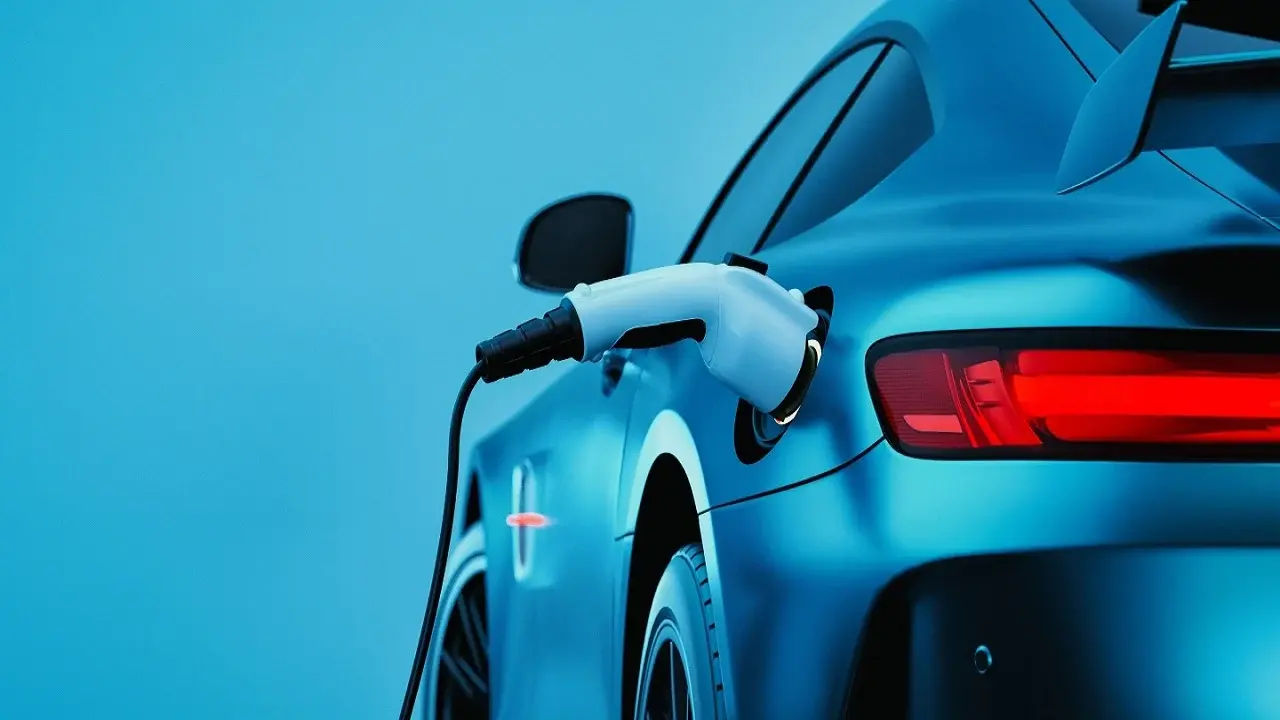
Khan briefed members on plans to promote EVs and plug-in hybrid electric vehicles (PHEVs). A PHEV has a battery that can be charged from a socket, plus a petrol engine as backup.
He said cuts in duties and other costs are being considered to make these vehicles more affordable. The draft also envisages allowing EV imports on a one-time basis.
The briefing did not say how many vehicles would qualify, how long the window would stay open, or what duty rate would apply. Those gaps matter, since “one-time” could mean a single period of time or a single vehicle per importer.
Gift scheme or commercial import
The chairman asked how imports under the gift scheme differ from commercial imports. Khan said the gift scheme is a one-time facility under which a vehicle can be gifted only to a blood relative, with no additional duty charged.
Commercial imports pay the applicable duties and taxes, and there is no limit on how many vehicles can be brought in.
| Gift scheme | Commercial import | |
|---|---|---|
| Availability | One-time facility | No limit on number of vehicles |
| Who can receive | Blood relative only | Not specified in briefing |
| Duty | No additional duty charged | Applicable duties and taxes apply |
It was not stated which of these routes the proposed EV window would follow or whether it would be a separate arrangement.
Khan added that the Pakistan Standards and Quality Control Authority (PSQCA) will be responsible for setting vehicle standards and issuing the relevant certificates.
Senators ask why the policy is late
The EV proposals are one part of a wider policy that has yet to be finalized. Members expressed concern over the delay and asked for clarity on the proposed measures and the expected timeline.
Senators Syed Masroor Ahsan, Khalida Ateeb and Husna Bano attended. So did Rana Ihsan Afzal, Coordinator to the Prime Minister for the Industries and Production Division. Officials from the Ministry of Industries and Production, the Power Division, the Ministry of Commerce and the Engineering Development Board (EDB) were present, along with assemblers and parts makers.
Khan said the government is trying to balance the interests of consumers and the industry, promote local manufacturing and investment, and create jobs. The briefing, as reported, did not explain the reasons for the delay.
Tariffs on imported cars and a push for local parts
Khan said automobile companies have not met their export targets. The government intends to restrict imports of completely built-up (CBU) vehicles, meaning fully assembled cars brought in from abroad, through tariff measures.
It also wants more local production of the components used in completely knocked-down (CKD) assembly. Under CKD, a manufacturer imports a kit of parts and assembles the car in Pakistan.
Jobs and the case for protection
The chairman stressed the need to safeguard investment and employment in the sector. He cited concerns conveyed to the committee that about 2.2 million jobs could be at risk without adequate protection for the industry. The source of that figure was not given.
He urged the government to move quickly so factories can keep operating and jobs are preserved. Senators Khalida Ateeb and Syed Masroor Ahsan also backed protection for the local industry, pointing to the large number of people it employs.
At the end of the meeting, the chairman said he hoped Cabinet would approve the policy within the two-week period and that it would address the concerns of both consumers and local manufacturers.
What to watch when the draft is published
The policy is being asked to do several things at once. It should bring cheaper vehicles to buyers through EV imports and lower duties. It should shield local assemblers and parts makers from imported cars. And it should push an industry that missed its export targets to perform better.
These goals pull against each other, and the CBU tariff is where the conflict will be settled. The EV window raises the same question from the other side. Low-cost imports help buyers, but they compete with locally assembled vehicles.
The two-week promise says little until the Cabinet-approved text appears. Four details will matter most: the tariff slabs on CBUs, the duty rate and any cap on the EV import window, the meaning of “one-time,” and whether localization targets for CKD parts come with deadlines. If those stay vague, buyers and manufacturers will keep planning around a policy that still has no firm shape.
Leave a comment
Your email address will not be published. Required fields are marked *