

Paper Mario: The Thousand-Year Door Still Has a Dedicated Fanbase
Nintendo has released many memorable games over the years, but some titles leave a particularly strong impression on players long after their original release. Paper Mario: The Thousand-Year Door is one such example.
Originally released for the Nintendo GameCube in 2004, the role-playing game became a favorite among fans thanks to its colorful paper-inspired world, witty dialogue, memorable characters, and engaging turn-based combat.
More than two decades later, the game continues to attract praise from players who believe its distinctive approach to storytelling and gameplay deserves a bigger place in Nintendo's future plans.
Nintendo brought the adventure back to a new generation with a remake for the Nintendo Switch in 2024. However, longtime fans continue to debate whether the company should develop more games that follow the original formula.
What Makes The Thousand-Year Door So Special?
Unlike traditional Mario platformers, Paper Mario: The Thousand-Year Door focuses on exploration, dialogue, character development, and turn-based battles.
Players control Mario as he searches for the legendary treasure hidden behind the mysterious Thousand-Year Door. The journey takes him through unusual locations, introduces a wide cast of characters, and gradually reveals a larger story.
The game's paper-themed presentation is more than a visual gimmick. Mario can fold, flatten, and transform himself to solve puzzles, pass through narrow spaces, and reach otherwise inaccessible areas.
These mechanics help the game develop its own identity while preserving the humor and charm associated with the Mario franchise.
Turn-Based Combat That Rewards Timing
One of the game's defining features is its battle system.
Rather than relying exclusively on selecting commands from a menu, players can improve attacks and defend against enemies by pressing buttons at the right moment. Successful timing can increase damage or reduce incoming attacks.
This interactive approach makes battles feel more involved than traditional turn-based encounters.
Players must also manage resources, select appropriate abilities, equip badges, and decide which partners best suit a particular situation.
The result is a system that remains accessible to newcomers while offering enough strategy to keep experienced players engaged.
Memorable Characters and Humor
Another major reason fans continue to celebrate the game is its writing.
Mario meets a wide variety of partners and supporting characters during his adventure. Each brings different abilities to exploration and combat, while dialogue and side stories help make the world feel lively.
The game's humor also gives it a personality that distinguishes it from many conventional role-playing games. Characters frequently comment on the events around them, and the story uses playful dialogue and unexpected situations to keep the journey entertaining.
For many fans, these elements are just as important as the combat system. They help turn a familiar Mario adventure into a memorable role-playing experience.
Why Fans Still Want Nintendo to Continue the Original Formula
The success of The Thousand-Year Door has contributed to long-running discussions about the direction of the Paper Mario series.
Later entries have experimented with different battle mechanics, progression systems, and storytelling approaches. These changes have attracted their own audiences, but some longtime fans prefer the character-focused adventures and traditional role-playing mechanics found in the earlier games.
For these players, the appeal of The Thousand-Year Door comes from the way its different elements work together: exploration, meaningful partner abilities, turn-based combat, humorous writing, and a story that rewards continued progress.
The debate is not necessarily about whether newer Paper Mario games are bad. Instead, it reflects a desire for Nintendo to preserve more than one style of experience within the franchise.
A future entry inspired by the classic formula could give longtime fans what they want while introducing younger players to the design that made the GameCube title so popular.
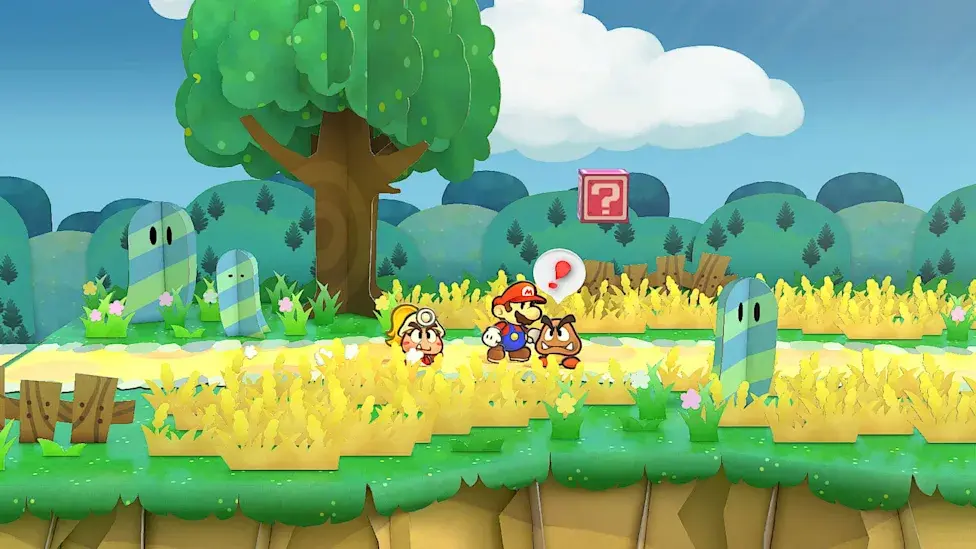
The Nintendo Switch Remake Introduced the Game to New Players
Nintendo's 2024 remake brought Paper Mario: The Thousand-Year Door to the Switch with updated visuals and improvements designed for modern hardware.
The remake gave players who never owned a GameCube an opportunity to experience one of Nintendo's most celebrated role-playing games.
It also demonstrated that the original adventure still had appeal beyond its nostalgic audience. The distinctive art direction, battle mechanics, and character-driven storytelling remained central to the experience.
For Nintendo, remakes can provide a way to preserve older games while introducing them to new audiences. They can also help the company evaluate continued interest in classic franchises.
However, a remake does not automatically guarantee that a direct sequel will follow. Nintendo has not promised that every feature of the original game will return in a future Paper Mario release.
Could Nintendo Make Another Game Like The Thousand-Year Door?
A new Paper Mario game inspired by the GameCube classic could combine traditional turn-based combat with modern presentation and expanded storytelling.
Nintendo could preserve the partner system, badge-based customization, timed attacks, and exploration mechanics while introducing new environments and characters.
Modern hardware could also allow for more elaborate visual effects, larger environments, and additional quality-of-life features.
The challenge would be balancing nostalgia with fresh ideas. A successful sequel would need to feel familiar without simply repeating the same adventure.
Ultimately, the franchise has room for experimentation as well as a return to its roots. Nintendo could potentially support different styles of Paper Mario games rather than forcing every installment into a single formula.
Why The Thousand-Year Door Still Matters
The continued enthusiasm for Paper Mario: The Thousand-Year Door highlights how important distinctive game design can be.
Its legacy is not based solely on its connection to Mario. The game combines a recognizable world with unusual mechanics, strong character writing, and a battle system that makes player timing part of the strategy.
Those qualities have helped it remain relevant long after the GameCube era.
Its popularity also demonstrates the value of preserving older games. Remakes and re-releases allow classic experiences to reach new audiences, while fan discussions help developers understand which features players want to see again.
Conclusion
Paper Mario: The Thousand-Year Door remains one of Nintendo's most celebrated role-playing games because it combines clever combat, memorable characters, humor, and creative exploration.
The 2024 Nintendo Switch remake gave the classic adventure a new audience, but many fans still hope Nintendo will build another game around its original style.
Whether the company chooses to revisit that formula or continue experimenting, the game's enduring reputation shows that its blend of storytelling and turn-based gameplay still resonates with players.
For fans of classic Nintendo adventures, The Thousand-Year Door remains a reminder that a distinctive design can keep a game beloved for decades.
Leave a comment
Your email address will not be published. Required fields are marked *