


Welsh Folklore Offers New Opportunities for Video Games
Video game developers have drawn inspiration from Greek gods, Norse legends, and Egyptian mythology for years. However, other cultural traditions also offer rich material for fantasy adventures. Welsh folklore, with its mysterious creatures, ancient stories, and distinctive language, could become a valuable source of inspiration for future games.
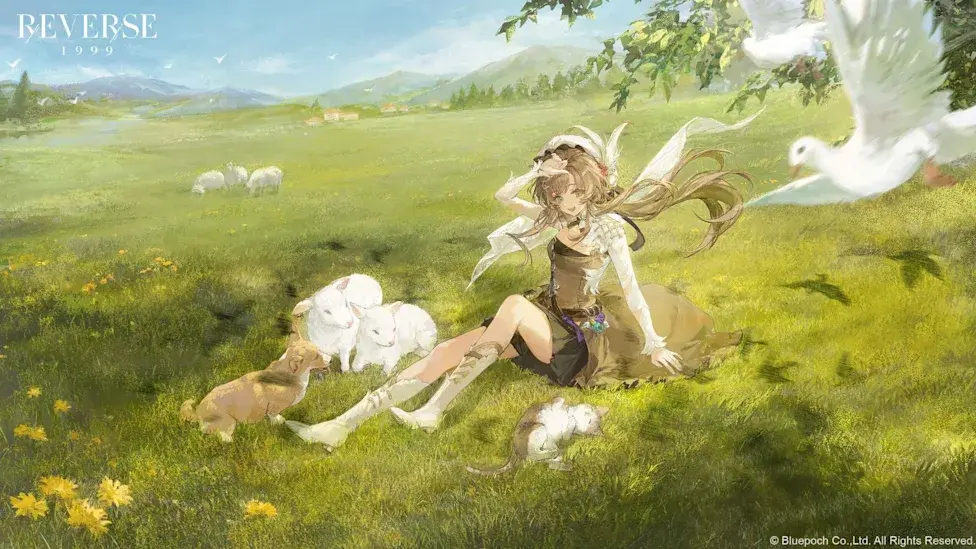
A recent example is Reverse: 1999, a time-travel role-playing game developed by Chinese studio Bluepoch. The game features a Welsh character named Rhiannon, bringing elements of Welsh mythology and language to an international gaming audience.
The character has renewed discussion about how video games can introduce lesser-represented cultures to players around the world. Gaming enthusiasts believe Welsh history and folklore have considerable untapped potential for new characters, settings, and storylines. <Cite refs={["turn886697search0","turn886697search3"]} />
How Reverse: 1999 Incorporates Welsh Mythology
Reverse: 1999 combines time-travel storytelling with supernatural elements and characters inspired by different cultures. Rhiannon stands out because her background draws on Welsh traditions.
According to the developers, the character lives in seclusion and works with a group of Adar Llwch Gwin, enormous intelligent birds from Welsh mythology that are said to follow human commands.
These creatures give the character a distinctive identity while connecting the game's fantasy world to traditional Welsh stories.
Bluepoch has also incorporated Welsh-inspired details into Rhiannon's appearance and surroundings. Her design blends elements associated with shepherds and bird handlers with broader Celtic visual influences, including Ogham script, the Tree of Life, and ritual-inspired motifs.
The result demonstrates how a game can use cultural references to create a memorable character rather than relying exclusively on familiar fantasy conventions.
Learning Welsh for a Video Game Character
Rhiannon's portrayal also presented a challenge for voice actor Rebecca Wang, who had little previous familiarity with the Welsh language.
She worked to learn selected Welsh words and pronunciations for the role, using online videos, language resources, and guidance from a dialect coach.
Welsh pronunciation can be unfamiliar to English speakers because several letter combinations follow different rules from English. Learning these sounds helped Wang deliver the character's dialogue while introducing her to a language she had not previously studied in depth.
The experience also increased her interest in Wales and its culture.
Although the game does not use Welsh throughout every interaction, incorporating the language gives the character an additional cultural dimension and allows international players to encounter words they might not otherwise hear.
Why Welsh Folklore Has Potential in Gaming
Welsh mythology offers developers a broad range of ideas for fantasy and adventure games. Its stories include mysterious otherworlds, supernatural beings, magical transformations, legendary rulers, and encounters between humans and creatures beyond the ordinary world.
One important source is the Mabinogion, a collection of medieval Welsh prose tales that includes stories of heroes, enchantment, conflict, and extraordinary journeys.
These narratives could support several types of games:
- Fantasy role-playing games: Players could explore mythological kingdoms and interact with characters drawn from Welsh legends.
- Open-world adventures: Welsh landscapes, castles, forests, and mountains could inspire richly detailed fictional settings.
- Horror games: Supernatural creatures and unsettling folklore could provide material for atmospheric survival experiences.
- Narrative adventures: Traditional stories could be reimagined through branching dialogue and player-driven decisions.
- Historical games: Developers could explore Welsh history, language, and cultural traditions through interactive storytelling.
Using these influences could help studios create experiences that feel different from games built around the same widely used mythological settings.
The Importance of Better Cultural Representation
Welsh culture has a relatively small presence in mainstream international gaming compared with some other cultural traditions. When a major or internationally distributed game includes Welsh language, locations, or mythology, it can help bring that culture to new audiences.
Gaming enthusiast Aaron Elias, who runs a website dedicated to Welsh representation in video games, has argued that Welsh stories and characters have considerable room for greater visibility.
That visibility can have benefits beyond entertainment. Players may become interested in learning about Welsh history, discovering traditional stories, or visiting places referenced in a game.
For example, references to the Welsh town of Caernarfon in Reverse: 1999 have attracted attention from players familiar with the location. Such details can make a fictional world feel more connected to real cultures and places.
However, representation is most effective when developers treat cultural references with care and make a genuine effort to understand the traditions they are adapting.
Welsh Language and Mythology Beyond Reverse: 1999
Reverse: 1999 is not the only example of Welsh culture appearing in video games.
The horror game Maid of Sker draws inspiration from Welsh folklore and traditions, while Assassin's Creed Valhalla includes historical and linguistic influences from across the British Isles.
Another example is Tales from the Mabinogion, an adventure project inspired by medieval Welsh literature that brings traditional stories into an interactive format.
These projects show that Welsh culture can support different genres, from horror and historical adventures to mythology-focused fantasy games.
They also demonstrate that cultural representation does not need to be limited to large studios. Independent developers can explore local stories and languages while reaching players internationally through digital distribution.
Could More Developers Explore Celtic Mythology?
Interest in mythology-based games creates opportunities for developers to look beyond the best-known pantheons and legends.
Welsh folklore can provide original creatures, unusual settings, complex characters, and stories that many international players have not encountered before. These elements could help developers build distinctive fantasy worlds while giving audiences an opportunity to discover a different cultural heritage.
Successful adaptations will require more than adding a few names or visual symbols. Research, collaboration with cultural experts, accurate pronunciation, and thoughtful storytelling can help ensure that these traditions are represented respectfully.
Developers who approach the material carefully may find that Welsh mythology offers both creative inspiration and an opportunity to reach audiences interested in new kinds of fantasy experiences.
Conclusion
The appearance of Rhiannon in Reverse: 1999 highlights the potential of Welsh folklore and language in modern video games. From the mythical Adar Llwch Gwin to the stories preserved in the Mabinogion, Welsh traditions offer developers a wealth of material for imaginative adventures.
As gaming audiences continue to explore new worlds and stories, greater representation of Welsh culture could introduce these legends to millions of players.
For developers seeking fresh inspiration, Welsh mythology is more than a collection of old tales. It is a source of distinctive characters, compelling settings, and stories that can find new life through interactive entertainment.
Leave a comment
Your email address will not be published. Required fields are marked *